BlackStar

Category: Press Release

  • BlackStar Projects Announces Lineup for  15th Annual BlackStar Film Festival

    BlackStar Projects Announces Lineup for 15th Annual BlackStar Film Festival

    BlackStar Projects, the premier organization celebrating visionary Black, Brown and Indigenous film and media artists, is thrilled to announce the selections for the 2026 BlackStar Film Festival.

    This year’s festival will take place from August 6-9, 2026, with in-person film screenings at the Kimmel Center for the Performing Arts, the Wilma Theater and the Suzanne Roberts Theatre. Parties and events will be held at various venues across Philadelphia to mark the 15th annual celebration of the visual and storytelling traditions of Black, Brown and Indigenous people from around the world.

    All access passes for the festival are available for purchase here; individual tickets for in-person and virtual screenings will go on sale in early July.

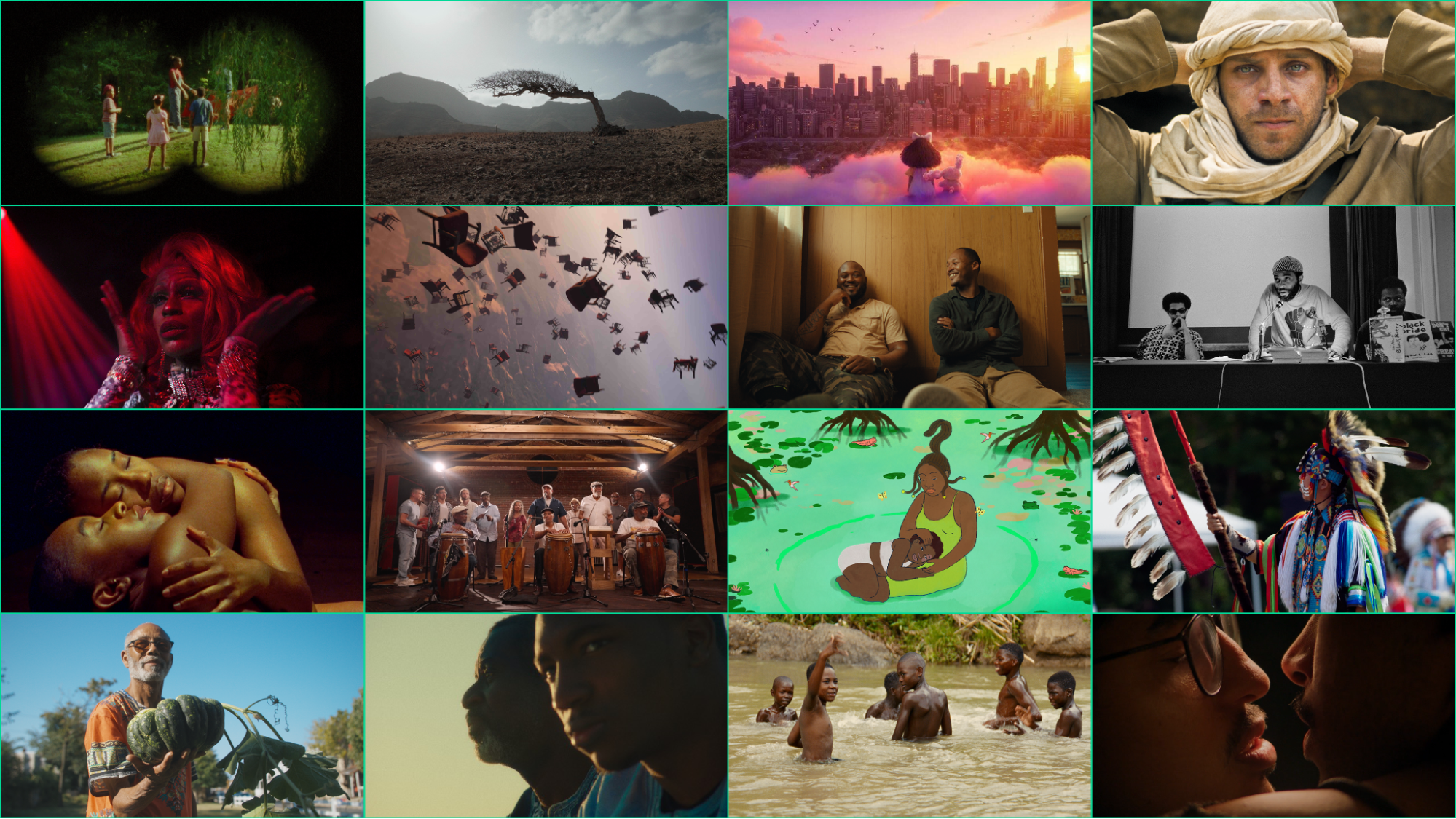
    As it celebrates its 15th anniversary, the 2026 BlackStar Film Festival is set to feature a total of 91 films representing over 30 countries, including 22 World, 10 North America, 4 United States, 13 East Coast and 34 Philadelphia premieres. Highlights from this year’s lineup include the North America premiere of Haile Gerima’s Black Lions – Roman Wolves and the world premieres of Dr. Fahamu Pecou’s The Store, Iyabo Kwayana’s Old Man River, Louis Massiah’s Tenants of Lenapehocking in the Age of Magnets, Tananarive Due and Steven Barnes’ The Keeper, and Miryam Charles’ Treasure Island (L’île aux trésors).

    “For fifteen years BlackStar has endeavored to bring both new films and a small selection of repertory ones to Philadelphia that not only meet the moment we are in, but deepen our collective understanding of it,” said Festival Director, Nehad Khader. “With this festival lineup we have continued that tradition.”

    BlackStar Film Festival has grown in attendance year over year, with more than 20,000 tickets sold in 2025. In addition to this year’s film festival there will be daily panels and conversations with filmmakers and industry leaders, along with an opening night party at Frankie’s Summer Club, a Friday evening concert and celebration at the Barnes Foundation, a Saturday evening industry mixer at Leo and a closing night party at the Barnes Foundation.

    “Since our first festival in 2012, BlackStar has blossomed into a complex, challenging and ever-changing celebration of filmmaking and its power to connect us,” said Founder, Maori Karmael Holmes. “We continue to provide a vital and urgent gathering for filmmakers and cinephiles of the global majority, just as we chart new directions forward for the medium, and for all those who are critically engaged with the times in which we live.”

    Among BlackStar Projects’ other programs are Seen, a journal of film, art and visual culture, that recently published its tenth issue and the Greaves Filmmaker Seminar, held in March with Stanford University’s Institute for Diversity in the Arts. The organization recently unveiled its new brand identity created by New York-based creative agency Pacific. Through a multi-year process of research and refinement, Pacific developed a new visual identity and system that unifies the various initiatives that exist under the umbrella of BlackStar.


    The full lineup of films is below:


    66 Days (٦٦ يوماً), directed by Joude Bazzoun

    A Bundle of Silences (Un montón de silencios), directed by Sofía Gallisá Muriente

    A Different Image, directed by Alile Sharon Larkin

    A Life in Art: Through the Eye of Dr. Leslie King Hammond, directed by Ben Baker-Lee and Rassaan Hammond

    A Sad and Beautiful World (نجوم الأمل و الألم), directed by Cyril Aris

    Aanikoobijigan (ancestor/great-grandparent/great-grandchild), directed by Adam Khalil and Zack Khalil

    After What Happened at the Library, directed by Syra McCarthy

    An Afternoon with a Gnawa, directed by Meena Nanji

    An Impossible Address, directed by Suneil Sanzgiri

    An Incomplete Calendar, directed by Sanaz Sohrabi

    And She Didn’t Die, directed by Kethiwe Ngcobo

    Angels Pull Your Hair, directed by Gabby Beans

    Another Day Shall Come (سيجيء يوم آخر), directed by Aida Kaadan

    Are You Native?, directed by Victoria Cheyenne

    At the Stage When, directed by Ci Shi Ci Ke and Hao Zhou

    Authors of the Estate, directed by Abdou Cissé

    Becoming Human, directed by Chiet Chea Manusa and Polen Ly

    Black Lions – Roman Wolves, directed by Haile Gerima

    Black Zombie, directed by Maya Annik Bedward

    Boca Vieja, directed by Yovegami Ascona Mora

    Bouchra, directed by Meriem Bennani and Orian Barki

    Buckskin, directed by Mars Verrone

    Call of My Life

    Charip: Lightning in the River (Charip: el relámpago del río), directed by GTANW | MULLU TV Gobierno Territorial Autónomo de la Nación Wampís

    ChikaBOOM!!, directed by c. Craig Patterson

    Communion (Comunhão), directed by Pétala Lopes

    Don’t wake the sleeping child (Ne réveillez pas l’enfant qui dort), directed by Kevin Aubert

    Ella, directed by Nikki Taylor-Roberts

    Enjoy the tropix and have a banana ! (An diw jwi ! On a la banane sous les tropiques !), directed by Kristine Blonbou

    Finding Your Laughter, directed by Arlieta Hall and Brittany Alsot

    Fists of Mothers, directed by Tchaiko Omawale

    For Peace of Mind, directed by Amandla Baraka

    Free Joan Little, directed by Yoruba Richen

    Free Lyric, directed by Cherish Oteka

    Glass Bricks, directed by Simone Holland

    God Sleeps on Sundays, directed by Naishe Nyamubaya

    HomeGoing, directed by Julie Dash

    How to Hide It, directed by Ramla Ali and Richard A. Moore

    I Got My Brother, directed by Victor Gabriel

    I Wonder Shall I Fly, directed by Harlan Banks

    Ish Meets a Mermaid, directed by Jonathan Thunder

    Ixquic, directed by Elvis Caj

    JESUS IS COMING (to take the Church away), directed by Cameron Clay

    Lani B Supreme: Legacy, directed by Sabaah Folayan

    Let Them Be Seen, directed by Nolitha Refilwe Mkulisi

    Mickey, directed by Dano Garcia

    Muoz-Doic Mixtape, directed by Quyen Nguyen-Le

    National Seating, directed by Kevin Jerome Everson

    No Sunshine in Here (Aqui Não Entra Luz), directed by Karol Maia

    Nwanne M Nwaanyị, directed by Chiemeka Offor

    Old Man River, directed by Iyabo Kwayana

    Olinda’s Golden Arches (Os Arcos Dourados de Olinda), directed by Douglas Henrique

    One More Show (ضايل عنا عرض), directed by Mai Saad and Ahmed Al Danaf

    Our Bodies Ours, directed by Sonali Gulati and Sanam Sheriff

    Palestine ‘36 (فلسطين ٣٦), directed by Annemarie Jacir

    Philly Rumba, directed by Melissa Beatriz and Andrés Cisneros

    Potato Salad, directed by Kyle Drew

    Powwow People, directed by Sky Hopinka

    Reading the World (Lendo o Mundo), directed by Catherine Murphy

    Remote Views, directed by Alexis McCrimmon

    Revival 24, directed by Darryl Daley

    Same Water, directed by Martine Granby

    Scene Not Heard: Women in Philadelphia Hip Hop, directed by Maori Karmael Holmes

    Solace, directed by Rodney Evans

    Tell Me When You Get Home, directed by Tshay Meade

    Tenants of Lenapehocking in the Age of Magnets, directed by Louis Massiah

    The Aura (L’Aura), directed by Fanta Sylla

    The Keeper, directed by Tananarive Due and Steven Barnes

    The Philadelphia Sensei: Lovett Hines, directed by Donn Thompson Morelli (‘Donn T’)

    The Prophet (O Profeta), directed by Ique Langa

    The Seeds We Carry, directed by Gabrielle Patterson

    The Store, directed by Dr. Fahamu Pecou

    The Tropic Sun and His Eyes (Soley Twopikal Ak Pitit Li), directed by Elisee Junior St Preux

    To Run is to Return, directed by Precious Wura Alabi

    Treasure Island (L’île aux trésors), directed by Miryam Charles

    True North, directed by Michèle Stephenson

    Variations on a Theme (Variasies op ‘n Tema), directed by Jason Jacobs and Devon Delmar

    Vis-à-Vis, directed by Mamadou Yattassaye

    Voicemail, directed by Lade Tinubu

    Watch Out for the Ghosts, directed by Yvonne Michelle Shirley

    We Act Like Children (Abinoojiikaasmin), directed by Evelyn Pakinewatik

    We Are Not Dreaming (Não Estamos Sonhando), directed by Ulisses Arthur

    We, People of the Islands (Nós, Povo Das Ilhas), directed by Elson Santos and Lara Sousa

    West Side Familia, directed by Taylor Hosking

    What Will I Become?, directed by Lexie Bean and Logan Rozos

    When They’re Gone, directed Ragan Henderson and Lauryn Darden

    Whispers of a Burning Scent, directed by Mo Harawe

    White Musk, directed by Fatima Wardy

    Wholesome, directed by Kimmy Campbell

    Wood Street, directed by Caron Creighton

    Zenón and the Rebel Boats (Zenón y la flotilla rebelde), directed by Juan C. Dávila Santiago


    Information on juries, additional programming and events will be announced soon. For more information on the festival and its programs, visit https://www.blackstarprojects.org/festival.

    This year’s festival is presented with major support from Open Society Foundations. Other sponsors include Eventive, FotoKem, Visit Philly, Hyperallergic, NEON, Color Congress, Firelight Media, Philadelphia Museum of Art, Pillars Fund, Impact Partners, University of Pennsylvania Department of Cinema & Media Studies and The Gotham Film & Media Institute. Additional supporters include John D. and Catherine T. MacArthur Foundation, City of Philadelphia and Councilmember At-Large Isaiah Thomas, Pennsylvania Department of Community and Economic Development secured by State Senator Nikil Saval and State Representative Rick Krajewski, 188th District.

    BlackStar Projects and its year-round programs are generously supported by Bloomberg Philanthropies, Critical Minded, Color Congress, Department of Community and Economic Development, Ford Foundation, John D. and Catherine T. MacArthur Foundation, Mellon Foundation, People’s Media Fund, Perspective Fund, Pop Culture Collaborative, Ruth Foundation for the Arts, Surdna Foundation, Wallace Foundation and William Penn Foundation in addition to its board of directors, community partners and a host of generous individual donors and organizations.


    About BlackStar Projects

    BlackStar Projects, founded in 2012 by Maori Karmael Holmes as BlackStar Film Festival, creates the spaces and resources needed to uplift the work of Black, Brown and Indigenous artists working outside the confines of genre. Beyond the annual film festival the organization produces year-round programs, including film screenings, exhibitions, a filmmaker seminar, a film production lab and a journal of film, art and visual culture.

    These programs provide artists opportunities for viable strategies for collaborations with other artists, audiences, funders and distributors. BlackStar is working towards a liberatory world in which a vast spectrum of Black, Brown and Indigenous experiences is irresistibly celebrated in arts and culture.

  • BlackStar Projects Announces Foundational Identity Rebrand

    BlackStar Projects Announces Foundational Identity Rebrand

    BlackStar is excited to announce its new brand identity created by New-York based creative agency Pacific. Through a multi-year process of research and refinement, Pacific developed a new visual identity and system that unifies the various initiatives that exist under the umbrella of BlackStar—from its flagship film festival to Seen, its bi-annual journal of film, art and visual culture. Conceived with the 15-year anniversary of BlackStar in mind, the new identity allows the institution to more precisely express the core themes and ideas that animate its year-round programming, all while celebrating the artists and the work they make.

    Over the past 15 years, BlackStar has prioritized visionary work that is experimental in its aesthetics, content and form, and which builds on the work of elders and ancestors to imagine a new world. In addition to its annual film festival and bi-annual journal, BlackStar organizes film screenings, exhibitions, a filmmaker seminar and a film production lab, programs that provide artists with opportunities, resources and support. Through these programs and initiatives BlackStar endeavors to build a liberatory world in which a vast spectrum of Black, Brown and Indigenous experiences are celebrated in arts and culture.

    “The trajectory of BlackStar over the past 15 years has been incredibly encouraging and heartening as we look ahead to this year’s Film Festival and beyond,” said BlackStar Founder, Chief Executive & Artistic Officer, Maori Karmael Holmes. “As we took stock of where the organization was at and what it had achieved, it was also a moment for us to reimagine our programs holistically, and ensure that our branding and institutional voice were reimagined. Working with Pacific has provided us with a clear and impactful visual language that will allow us to best communicate not only our values and ambition, but those of our community as well.”

    At the core of Pacific’s rebranding process was an attention to BlackStar’s history and the desire to establish the visionary institution as a global leader supporting Black, Brown and Indigenous artists working outside of the confines of genre. Pacific developed a brand system for BlackStar that provides the core elements that create a consistent and recognizable identity across all applications. These components—logotype, typography, color, the slate system and layout structure—work together to form a cohesive visual language that is flexible, functional and grounded in the organization’s values. Key pillars of this process included refining BlackStar’s logo to maximize legibility and clarity across applications, and developing a typographic system that takes inspiration from the film slate. A new website—with updates to both the design and functionality—was also designed and developed by Pacific, alongside a new festival website and updated social media assets for BlackStar.

    “Working with BlackStar is an honor and Pacific is grateful for their collaboration on this important rebrand,” said Elizabeth Karp-Evans, founder of Pacific. “Our studio’s intention was to highlight the organization’s vital work—not only as a supporter of artists in the global majority making some of the most compelling cinema in our present moment, but as a new type of arts and culture body that champions and celebrates Black, Brown and Indigenous experiences in the visual world. BlackStar’s rebrand signals to audiences that the organization is deeply invested in its work and mission. Led by Maori Karmael Holmes, BlackStar will continue to set the standard for supporting liberatory filmmaking with rigor, care and community for years to come.”

    The new website was developed with the support of Bloomberg Philanthropies’ Digital Accelerator for Arts and Culture. The program supports leadership development and infrastructure investment that builds audiences, increases fundraising, drives revenue, delivers dynamic programming and helps us work more efficiently and effectively in support of our strategic objectives.

    BlackStar is also excited to announce that early bird tickets for the 15th annual BlackStar Film Festival, held from August 6–9, 2026, are available here.


    About BlackStar Projects
    BlackStar Projects, founded in 2012 by Maori Karmael Holmes as BlackStar Film Festival, creates the spaces and resources needed to uplift the work of Black, Brown and Indigenous artists working outside the confines of genre. Beyond the annual film festival the organization produces year-round programs, including film screenings, exhibitions, a filmmaker seminar, a film production lab and a journal of film, art and visual culture.
    These programs provide artists opportunities for viable strategies for collaborations with other artists, audiences, funders and distributors. BlackStar is working towards a liberatory world in which a vast spectrum of Black, Brown and Indigenous experiences is irresistibly celebrated in arts and culture.
  • Now On Sale:  BlackStar Projects’ Seen Issue 010

    Now On Sale: BlackStar Projects’ Seen Issue 010

    BlackStar is thrilled to announce that the tenth issue of Seen—the organization’s bi-annual journal of film and visual culture, dedicated to platforming nuanced and rigorous writing by and about Black, Brown and Indigenous communities globally—is now on sale here.

    Seen 010 celebrates the 15th anniversary of the BlackStar Film Festival and our tenth issue overall. The cover features artwork by Fahamu Pecou, who is the subject of the issue’s studio visit.

    Other highlights from the issue’s mix of conversations, profiles, interviews, essays and reviews include a candid conversation with Arthur Jafa about unrealized visions, Basquiat and why he’s ready to make his first feature film; an essay by Cheryl Dunye on her landmark film The Watermelon Woman on its 30th anniversary; BlackStar Film Festival Director Nehad Khader recounts 15 memorable films and moments from festivals past; a look at Toni Cade Bambara’s legacy in the new film, TCB – The Toni Cade Bambara School of Organizing; an interview with Akinola Davies Jr. on his debut feature My Father’s Shadow, diaspora and the allure of Lagos; a profile of Beverly Wood, Hollywood’s Color Whisperer by Aisha Harris; Tanya Hamilton writes about how a movie frame from Nicholas Roeg’s Walkabout (1971) changed her life; Seen, But Not Visible: The Paradox of Film Restoration by Koel Chu, a feature on The Studio Museum in Harlem’s hard-won legacy by Elodie Saint-Louis and How to Look at Our Collapsing World without Going Numb, a profile of Meriem Bennani’s uncanny and wholly original cinematic worlds.

    On May 28, 2026, in collaboration with the Open Society Foundations, BlackStar will celebrate the release of Seen 010 with a launch event at the Barnes Foundation in Philadelphia. The event will feature a conversation between Camille Acker, Seen’s section editor for features, studio visits and reviews, art director, Leo Brooks and Heidi Saman, editor-in-chief of Seen. They’ll give an inside look into how an issue of Seen comes together from the editorial, creative and design process. RSVP here.

    On May 20, the journal will be on sale at stockists around the world including Ulises and Omoi Life Goods and Barnes Foundation in Philadelphia; Heath Newsstand in San Francisco, Periodicals in Detroit; The Library Club in Ireland, Skylight Books in Los Angeles; magCulture in London, McNally Jackson and Mono No Aware in New York; Chess Club in Portland and Issues in Toronto.

    Seen is supported by Open Society Foundations and is printed in the United States by Sheridan.

    BlackStar Projects and its year-round programming is generously supported by Bloomberg Philanthropies, City of Philadelphia, Color Congress, Department of Community and Economic Development, Ford Foundation, John D. and Catherine T. MacArthur Foundation, Mellon Foundation, People’s Media Fund, Perspective Fund, Pop Culture Collaborative, Ruth Foundation for the Arts, Surdna Foundation, Wallace Foundation and William Penn Foundation, in addition to its board of directors, community partners and a host of generous individual donors and organizations.


    About BlackStar Projects
    BlackStar Projects, founded in 2012 by Maori Karmael Holmes as BlackStar Film Festival, creates the spaces and resources needed to uplift the work of Black, Brown and Indigenous artists working outside the confines of genre. Beyond the annual film festival the organization produces year-round programs, including film screenings, exhibitions, a filmmaker seminar, a film production lab and a journal of film, art and visual culture.
    These programs provide artists opportunities for viable strategies for collaborations with other artists, audiences, funders and distributors. BlackStar is working towards a liberatory world in which a vast spectrum of Black, Brown and Indigenous experiences is irresistibly celebrated in arts and culture.
  • BlackStar Film Festival Celebrates 15th Anniversary And Announces Upcoming Winter Events

    BlackStar Film Festival Celebrates 15th Anniversary And Announces Upcoming Winter Events

    BlackStar Projects is proud to celebrate the 15th anniversary of the BlackStar Film Festival in 2026, marking a major milestone for the organization and the community it has built over the past decade and a half. The film festival is an annual celebration of the visual and storytelling traditions of the African diaspora and of global Indigenous communities. Showcasing films by Black, Brown and Indigenous artists from around the world, the film festival has become a lodestar not only for them, but for the industry as a whole. Through its robust and diverse slate of screenings and programming, the festival has solidified itself as a critically important part of film discourse and distribution, all while creating a Black-led space centered on joy and collective thriving.

    The BlackStar Film Festival emerged in 2012 during a time of renewed emphasis on the history of Black film just as a spotlight was being placed on new independent Black filmmakers, such as Ava DuVernay, Bradford Young, Dee Rees and Tina Mabry, among others. BlackStar Film Festival was created to provide a platform for contemporary filmmakers to showcase their work alongside the reappraisal of historically significant works, many of which would have restorations debut at the festival. Beyond film, the festival’s consistent activation of the city of Philadelphia provided vital opportunities for artists, filmmakers, industry professionals and film enthusiasts to engage with each other and forge meaningful connections. This communal aspect has become as essential as the screening of films.

    Over the past fourteen years the festival has welcomed countless visionary directors to premier films while also bringing in notable writers and critics as well. Alumni of the BlackStar Film Festival include Garrett Bradley, Charles Burnett, Julie Dash, Ava DuVernay, Ja’Tovia Gary, Haile Gerima, Arthur Jafa, Kahlil Joseph, Marc Lamont Hill, Andre Holland, Spike Lee, Louis Massiah, Terence Nance, Jenn Nkiru, Suneil Sanzgiri, Rea Tajiri, Ahmir ‘Questlove’ Thompson, Tariq ‘Black Thought’ Trotter, Michael K. Williams, Saul Williams and Bradford Young, among many others.

    “In our fifteenth year, it’s important to take stock of all that the BlackStar Film Festival has achieved so far—all that it has become and what it means to the community of artists and filmmakers of color that have invested their time and creativity over the years,” said BlackStar Founder, Chief Executive & Artistic Officer, Maori Karmael Holmes. “The festival has always been a home for Black, Brown and Indigenous artists from around the world, particularly when that support and community has been more needed than ever. In addition to being an event where historical and contemporary films can be seen, discussed and debated, the festival has, perhaps just as importantly, become a form of necessary resistance.”

    Submissions to the 15th annual BlackStar Film Festival, held from August 6-9, 2026, are now open: link. Early bird tickets will be available in May.


    Upcoming Events

    From Saints to Sinners: 100 Years of Black Fashion in Cinema
    February 1–23, 2026
    Philadelphia Navy Yard

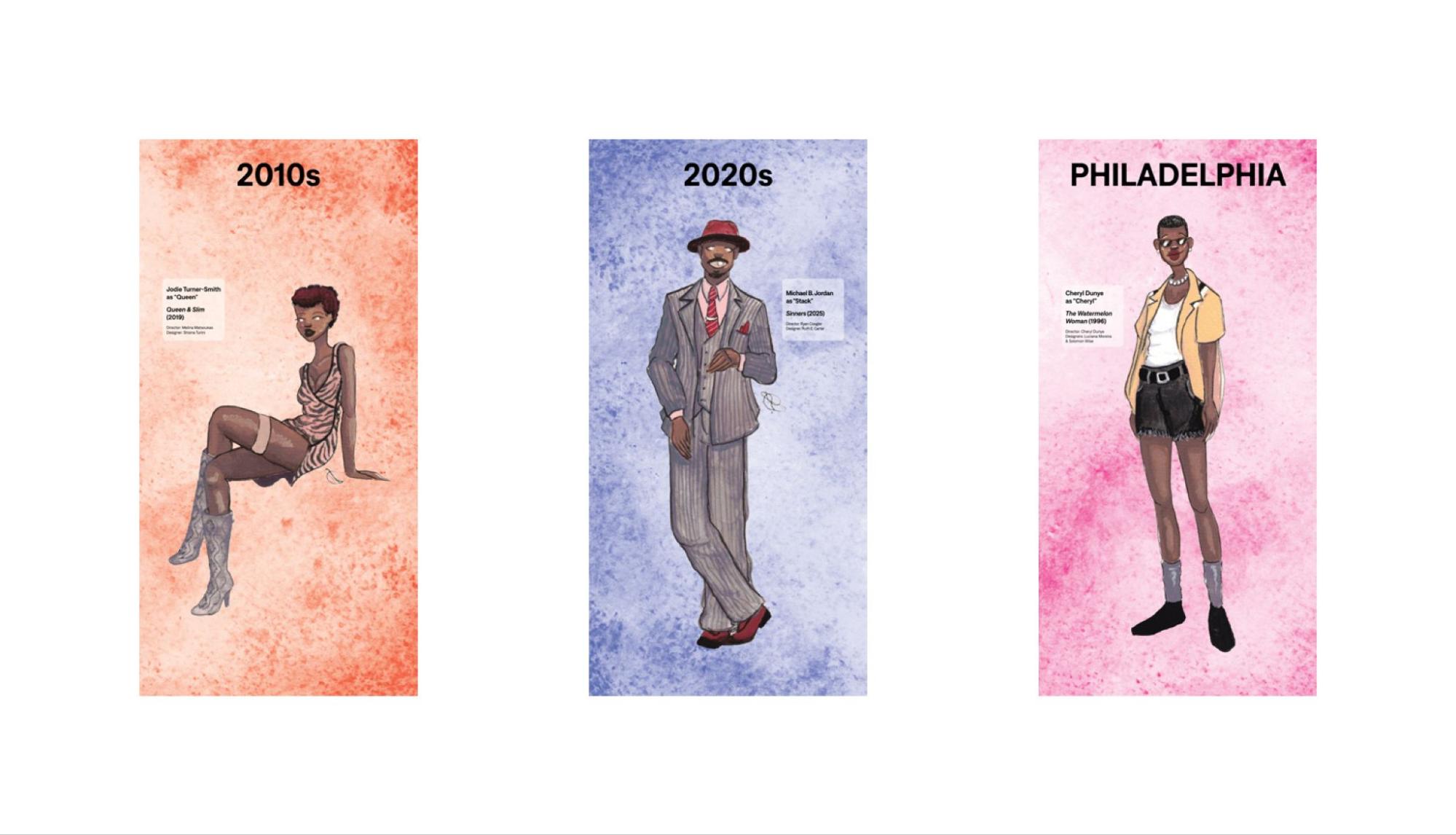
    BlackStar Projects, in collaboration with URBN, parent company of Anthropologie, Free People, Nuuly and Urban Outfitters, will unveil a new mural at URBN’s headquarters at Philadelphia’s Navy Yard, celebrating the history of costume design in Black Cinema. For the last 100 years there has been a progression of Black representation in film in every role in front of and behind the camera. This mural focuses on costumes and style in American films by selecting one iconic costume or character from each decade, which will then be illustrated as if it were a costume rendering.


    Screening of TCB: The Toni Cade Bambara School of Organizing
    Vidiots, 4884 Eagle Rock Blvd, Los Angeles, CA
    February 11, 2026 | 7-9PM
    Featuring Q&A with Director Louis Massiah and Courtney R. Baker
    Tickets available here: link

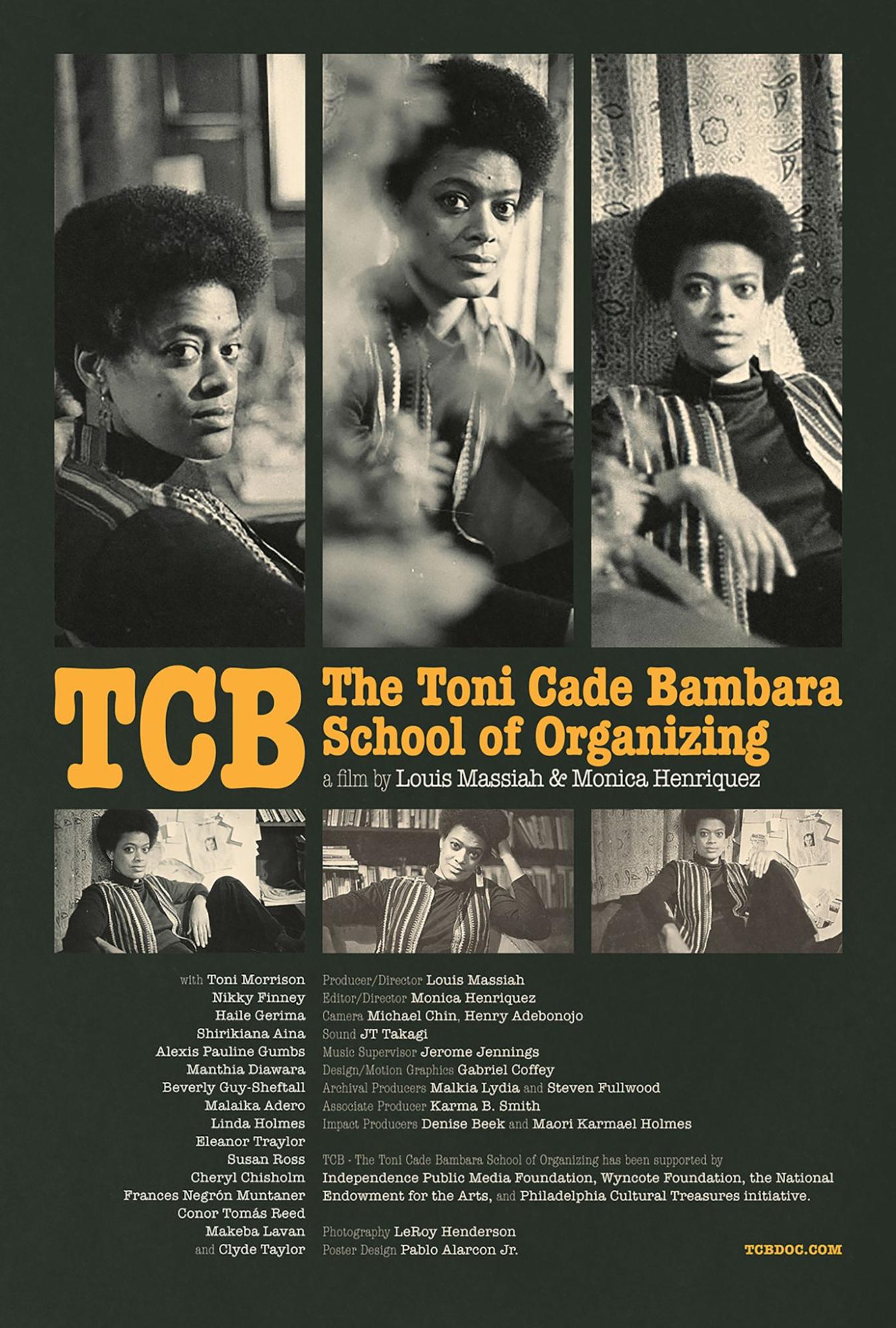
    Author, educator, activist and documentary filmmaker Toni Cade Bambara, with humor and deep insight, inspired a generation of artists to dedicate themselves to community empowerment. Editor of the breakthrough anthology The Black Woman (1970) and author of The Salt Eaters (1980) among other acclaimed works, Bambara came to Philadelphia and worked with Louis Massiah on the truth-telling documentaries The Bombing of Osage Avenue (1986) and W.E.B. DuBois in Four Voices (1996) and remained an activist, educator and cultural worker in film and literature until her untimely death in 1995. TCB – The Toni Cade Bambara School of Organizing (2025) is a testament to their long and generative collaboration.

    Massiah’s film, directed with and edited by Monica Henriquez, is structured as a series of lessons on cultural organizing, gleaned from Bambara’s life and shared by her friends, colleagues and students. Not yet widely released, the film received its world premiere opening night at BlackStar Film Festival in August, where it was awarded Best Feature Documentary by the jury, voted Favorite Feature Documentary by the audience, and called “riveting” by Variety. Featuring: Toni Morrison, Nikky Finney, Haile Gerima, Shirikiana Aina, Alexis Pauline Gumbs, Manthia Diawara, Beverly Guy-Sheftall, Malaika Adero, Linda Holmes, Conor Tomás Reed, Makeba Lavan and Clyde Taylor.


    Seen Issue 009 Celebration in Los Angeles
    Reparations Club 3054 S Victoria Ave, Los Angeles, CA
    February 12, 2026 | 7-9PM

    BlackStar will celebrate the ninth issue of Seen—the organization’s bi-annual journal of film and visual culture, dedicated to platforming nuanced and rigorous writing by and about Black, Brown and Indigenous communities globally—with a panel discussion featuring Darol Olu Kae, Maya S. Cade and Jenny Yang in conversation.

    Seen 009 features contributions from André Holland, Murtada Elfadl, Autumn Durald Arkapaw, Yance Ford, Sanford Biggers, Maya S. Cade, Darol Olu Kae, Bedatri Datta Choudhury, Eman Mohammed, Kambole Campbell, Nicole G. Young and more.


    William and Louise Greaves Filmmaker Seminar at Stanford University
    March 6, 2026–March 8, 2026
    Stanford University, Palo Alto, CA
    Register here through February 13

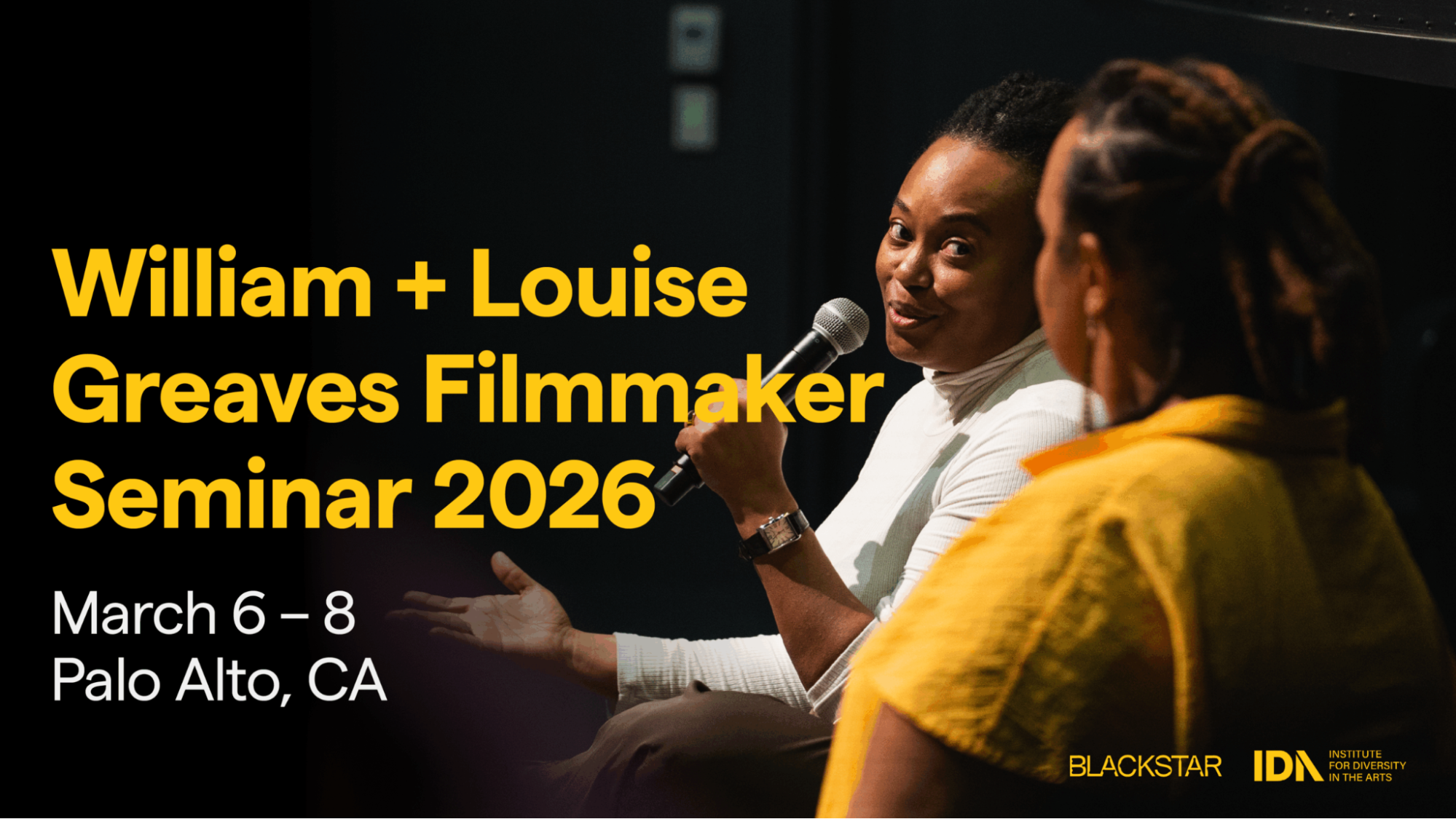
    BlackStar is proud to present the sixth annual William and Louise Greaves Filmmaker Seminar, a gathering for Black, Brown and Indigenous artists working in cinematic realms, hosted in partnership with the Institute for Diversity in the Arts at Stanford University. Participants will explore the technical and creative aspects of media-making, while having honest conversations about the successes and pitfalls of their work. The seminar considers the intersection of cinema and visual arts and is exclusively designed for people of color to focus and not manage the added burden of representation.

    The Seminar is named after visionary filmmakers William and Louise Greaves, who together co-produced landmark documentaries such as Symbiopsychotaxiplasm and Ralph Bunche: An American Odyssey.

    Seminar Speakers
    Keynote Address: Michèle Stephenson
    Director’s Commentary: Cherien Dabis
    Short Film Program: Maya S. Cade
    Work In Progress: Lendl Tellington
    Producer’s Commentary: Onye Anyanwu
    Artist Talk: Chinaka Hodge
    Iran, The Plot of a Cinematic Resistance: Homa Sarabi, Yasaman Baghban
    The Devil Finds Work: James Baldwin’s Cinema of the Mind: Beandrea July, Kendale Winbush
    The Image That Eludes the Conscious Mind: Tenzin Phuntsog
    Impact Producing Through A Disability Justice Lens: Rosemary McDonnell-Horita, xana lenore
    Cinematic Aliveness: How to Edit like a DJ: Rashid Zakat


    About BlackStar Projects
    BlackStar Projects, founded in 2012 by Maori Karmael Holmes as BlackStar Film Festival, creates the spaces and resources needed to uplift the work of Black, Brown and Indigenous artists working outside the confines of genre. Beyond the annual film festival the organization produces year-round programs, including film screenings, exhibitions, a filmmaker seminar, a film production lab and a journal of film, art and visual culture.These programs provide artists opportunities for viable strategies for collaborations with other artists, audiences, funders and distributors. BlackStar is working towards a liberatory world in which a vast spectrum of Black, Brown and Indigenous experiences is irresistibly celebrated in arts and culture.
  • Now On Sale:  BlackStar Projects’ Seen Issue 009

    Now On Sale: BlackStar Projects’ Seen Issue 009

    BlackStar is thrilled to announce that the ninth issue of Seen—the organization’s bi-annual journal of film and visual culture, dedicated to platforming nuanced and rigorous writing by and about Black, Brown and Indigenous communities globally—is now on sale. The issue is available for order here.

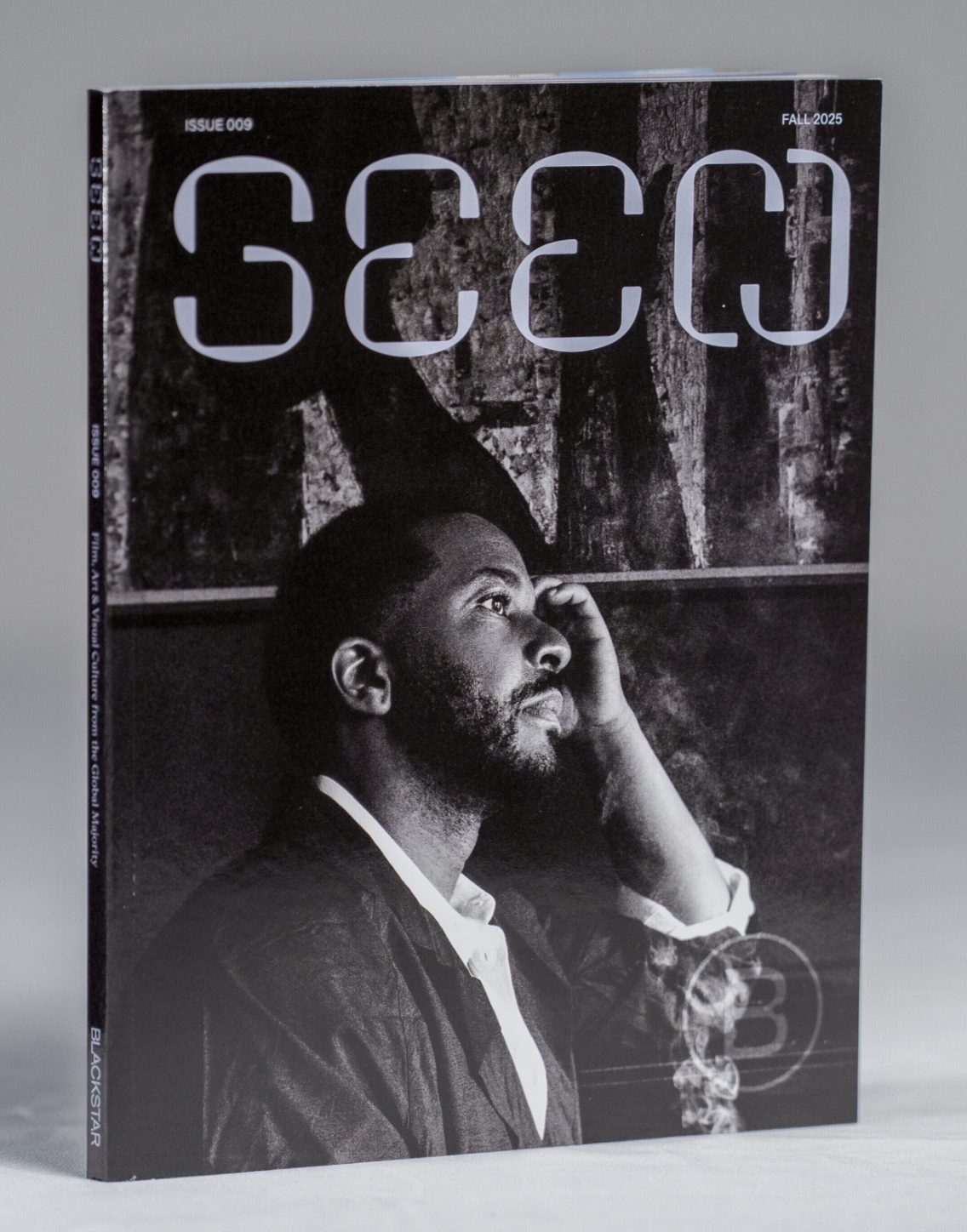
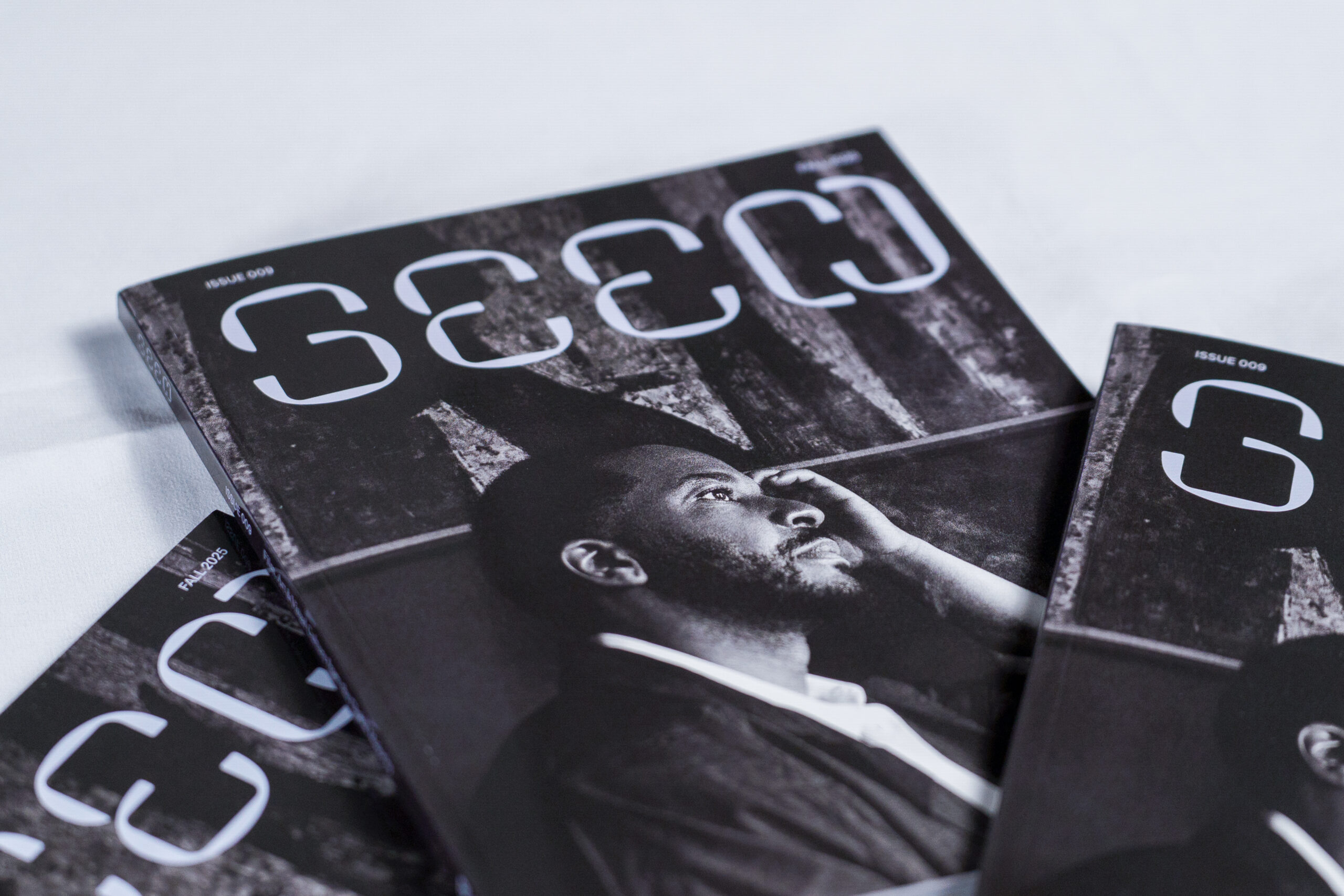
    Seen 009’s cover features André Holland, in a photo taken by Martika Avalon for a feature story written by Murtada Elfadl, that finds the Love, Brooklyn star reflecting on why he’s seeking the role of student at this time in his life. Other highlights from the issue’s mix of conversations, profiles, interviews, essays and reviews include Portals and Expansions: Black Film Distribution, an essay by Black Film Archive founder Maya S. Cade; a studio visit with artist Sanford Biggers; Gaza, 5:45 a.m., a photo diary by Eman Mohammed; a letter to young cinematographers from SinnersAutumn Durald Arkapaw; a tribute to the trailblazing curator Koyo Kouoh, written by various artists; filmmaker Yance Ford in conversation with sound designer and Third World Newsreel executive director JT Takagi and Ryan Coogler’s Communions with the Dead, a profile of the director written by Kambole Campbell.

    On October 29, 2025, in collaboration with the Open Society Foundations and Urban Outfitters, BlackStar will celebrate the release of Seen 009 with a launch event at Percy Restaurant & Bar in Philadelphia. The event will feature a conversation between contributors Nicole G. Young, Bedatri Datta Choudhury and Heidi Saman, editor-in-chief of Seen. The three will discuss Black speculative fiction and a Mumbai artists’ collective that’s reimagining the archive. RSVP here.

    The journal is on sale at stockists around the world including Ulises and Omoi Life Goods in Philadelphia; Periodicals in Detroit; Reparations Club, Vidiots and Skylight Books in Los Angeles; Amant, McNally Jackson and Printed Matter in New York; Chess Club in Portland, magCulture in London and Issues in Toronto.

    Seen is supported by Open Society Foundations and is printed in the United States by Sheridan. 

    BlackStar Projects and its year-round programming is generously supported by Bloomberg Philanthropies, City of Philadelphia, Color Congress, Department of Community and Economic Development, Doris Duke Charitable Foundation, Ford Foundation, Independence Public Media Foundation, John D. and Catherine T. MacArthur Foundation, Mellon Foundation, NEO Philanthropy, The Pew Center for Arts and Heritage, Pop Culture Collaborative, Ruth Foundation for the Arts, Surdna Foundation, Wallace Foundation, William Penn Foundation, Wyncote Foundation, in addition to its board of directors, community partners and a host of generous individual donors and organizations.

    About BlackStar Projects

    BlackStar Projects, founded in 2012 by Maori Karmael Holmes as BlackStar Film Festival, creates the spaces and resources needed to uplift the work of Black, Brown and Indigenous artists working outside the confines of genre. Beyond the annual film festival the organization produces year-round programs, including film screenings, exhibitions, a filmmaker seminar, a film production lab and a journal of film, art and visual culture. 

    These programs provide artists opportunities for viable strategies for collaborations with other artists, audiences, funders and distributors. BlackStar is working towards a liberatory world in which a vast spectrum of Black, Brown and Indigenous experiences is irresistibly celebrated in arts and culture.
     

  • BlackStar Projects Announces 2025 Luminary Gala

    BlackStar Projects Announces 2025 Luminary Gala

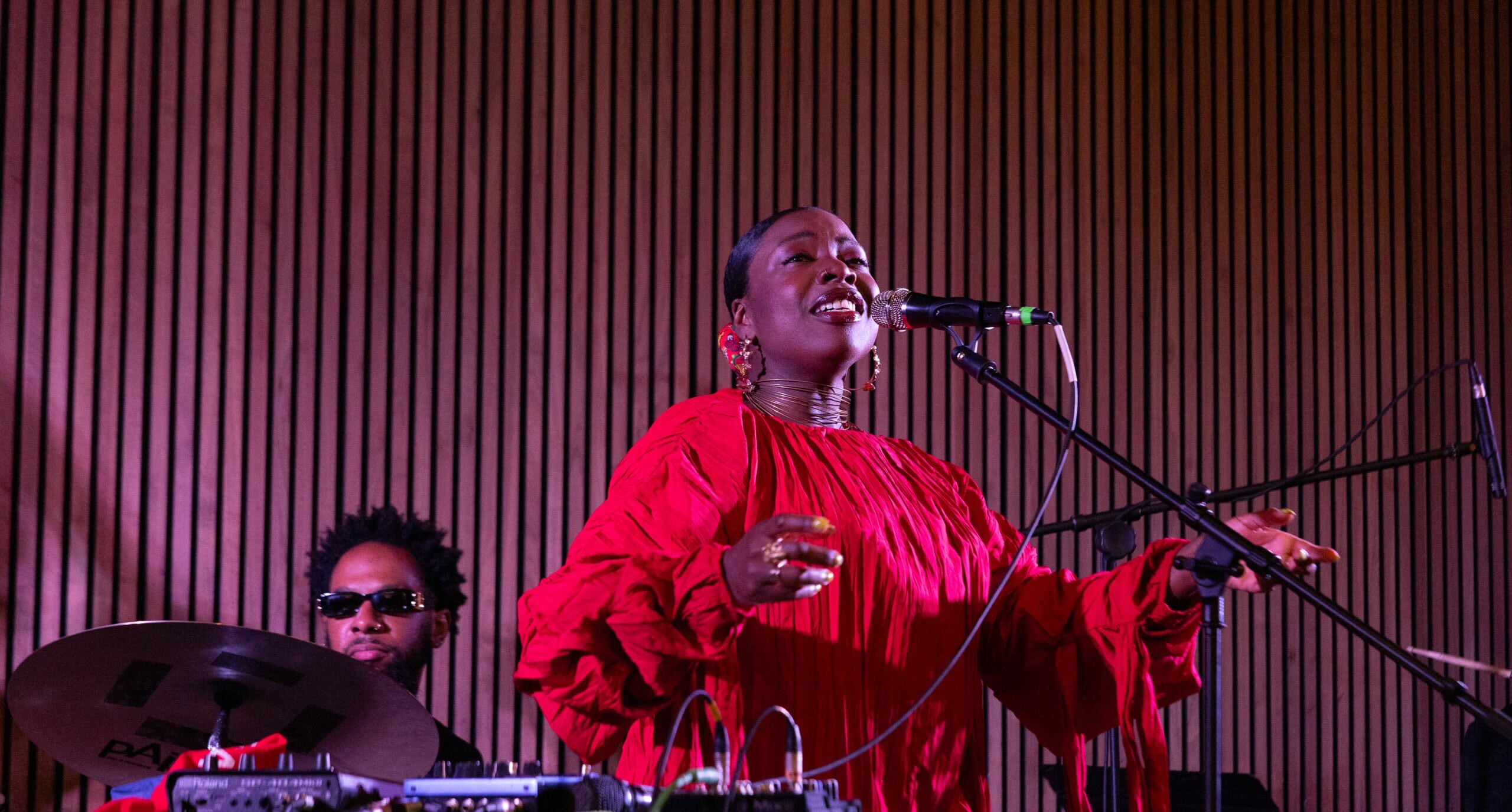
    BlackStar Projects is pleased to announce its 2025 Luminary Gala Awards, honoring Autumn Durald Arkapaw, Meshell Ndegeocello, Robert Townsend and Third World Newsreel. The gala will take place on November 21, 2025 at Switch House in Philadelphia from 6PM-10:30PM. Ticketing and sponsorship information is available here.

    Established in 2012, the Luminary Awards have been given to a wide range of artists, cultural leaders and collectives whose contributions align with BlackStar’s mission of creating a more just and liberatory world. Past recipients have included Mira Nair, Menelik Shabazz, Ava DuVernay, Julie Dash, dream hampton and RZA. First held in 2023, the Luminary Gala is an unforgettable evening in celebration of the luminaries shaping and shifting the arts, culture and media landscape. Bringing together artists, philanthropists and BlackStar’s community of friends, the event shines a light on the organization’s work to garner further support for its suite of year-round cultural programming that provides Black, Brown and Indigenous artists with the resources and support they need to thrive. This year’s Gala will be hosted by journalist and music industry trailblazer Dyana Williams.

    This year’s Luminary Award recipients display a commitment to social justice, embracing collaboration and celebrating a wide spectrum of aesthetics and storytelling practices. The 2025 honorees are: Autumn Durald Arkapaw, a cinematographer whose trailblazing work has opened up new pathways for visual storytelling; Meshell Ndegeocello, a genre-defying musician whose boundless sonic innovations spark renewed interest in Soul music; Robert Townsend, a towering figure in the world of Independent Film, where he has directed and produced blockbuster films and critically incisive series and Third World Newsreel, a news organization that has championed cultural and social justice in media for almost sixty years.

    Autumn Durald Arkapaw, ASC, is a visionary cinematographer known for bold, atmospheric visuals. Her recent work includes Sinners (2025), the first film shot by a female cinematographer on IMAX 65mm and The Last Showgirl (2024). Autumn also lensed Black Panther: Wakanda Forever (2022), earning major box office success and an Oscar nod for Rihanna’s ‘Lift Me Up.’ An Emmy nominee for Loki, she has also collaborated with Spike Jonze, Gia Coppola, and Aziz Ansari. A graduate of AFI, she was the first woman of color on American Cinematographer’s cover and is represented by Iconic and LUX Artists.

    Meshell Ndegeocello has survived the best and worst of what a career in music has to offer. She eschewed genre for originality, celebrity for longevity and musical trends for musical truths. Fans have come to expect the unexpected and follow her on sojourns into soul, R&B, jazz, hip-hop and rock, all bound by the search for love, justice, respect and resolution. Those sonic investigations have defied and redefined the expectations for women, queer artists and for Black music for over 30 years. She remains one of few women who write the music, sing the songs and lead the band.

    Robert Townsend transcends any medium he touches, whether performing stand-up, acting, writing, directing or producing. With over 30 years in the business, Townsend is often called the ‘Godfather’ of the Independent Film World. An out-of-the-box thinker, he has made an indelible mark in Hollywood with an extensive list of credits. Robert’s recent directing credits include multiple episodes of Poppa’s House and Power Book IV: Force. He directed multiple episodes of the NAACP Image Award-winning The Best Man: The Final Chapters. Additional directing work can be seen on Netflix’s Kaleidoscope and Colin in Black & White.

    Third World Newsreel (TWN) has advanced movement storytelling and media arts for cultural and social justice since 1968. They champion the self-representation of historically marginalized communities—including Black, Latine, Indigenous, Asian American, Native Hawaiian, Pacific Islander, Middle Eastern, North African, Mixed/Multiracial, People with Disabilities and LGBTQIA+ individuals—through diverse genres and forms of media, such as documentary, experimental and fiction. Their aim is to create, engage and amplify stories while creatively activating audiences. Their comprehensive support includes hands-on training, fiscal sponsorship, educational distribution and preservation, all designed to advance cultural justice and societal change. From documentary and experimental to narratives, TWN is committed to shaping a media landscape where diversity and intersectionality are not merely represented but are central to social transformation.

    The Luminary Gala is a microcosm of BlackStar’s multiplicity, an intentional community building moment, connecting its profound, diverse audience in a Black-led space centered on joy and thriving. Sponsors and contributors will be directly investing in the sustainability of BlackStar’s efforts to rectify systemic imbalances in the media arts and beyond and support the mission of amplifying the moving image as a transformative tool for social change.

    The Luminary Gala host committee includes Adjoa Jones de Almeida, Allison Acevedo, Brandon Pankey, Deesha Philyaw, Donna Frisby-Greenwood, Ernest Owens, Irit Reinheimer. James Claiborne, Councilmember Jamie Gauthier, Jermaine Jenkins, Joe Hill, Korin Williams, Kurt Evans, Loira Limbal, Louis Massiah, Nikil Saval, Omar Woodard, Omar Tate, Raymond Perkins, Senator Vincent Hughes, Senator Nikil Saval, Val Gay.

    BlackStar Projects and its year-round programming is generously supported by Bloomberg Philanthropies, City of Philadelphia, Critical Minded, Color Congress, Department of Community and Economic Development, Doris Duke Charitable Foundation, Ford Foundation, Independence Public Media Foundation, John D. and Catherine T. MacArthur Foundation, Mellon Foundation, NEO Philanthropy, The Pew Center for Arts and Heritage, Pop Culture Collaborative, Ruth Foundation for the Arts, Surdna Foundation, Wallace Foundation, William Penn Foundation, Wyncote Foundation, in addition to its board of directors, community partners and a host of generous individual donors and organizations.

    About BlackStar Projects
    BlackStar Projects, founded in 2012 by Maori Karmael Holmes as BlackStar Film Festival, creates the spaces and resources needed to uplift the work of Black, Brown and Indigenous artists working outside the confines of genre. Beyond the annual film festival the organization produces year-round programs, including film screenings, exhibitions, a filmmaker seminar, a film production lab and a journal of film, art and visual culture.

    These programs provide artists opportunities for viable strategies for collaborations with other artists, audiences, funders and distributors. BlackStar is working towards a liberatory world in which a vast spectrum of Black, Brown and Indigenous experiences is irresistibly celebrated in arts and culture.
  • BlackStar Film Festival Announces 2025 Jury and Audience Award Winners

    BlackStar Film Festival Announces 2025 Jury and Audience Award Winners

    BlackStar Projects celebrated its 14th annual film festival this past weekend and is proud to announce the jury and audience award winners.

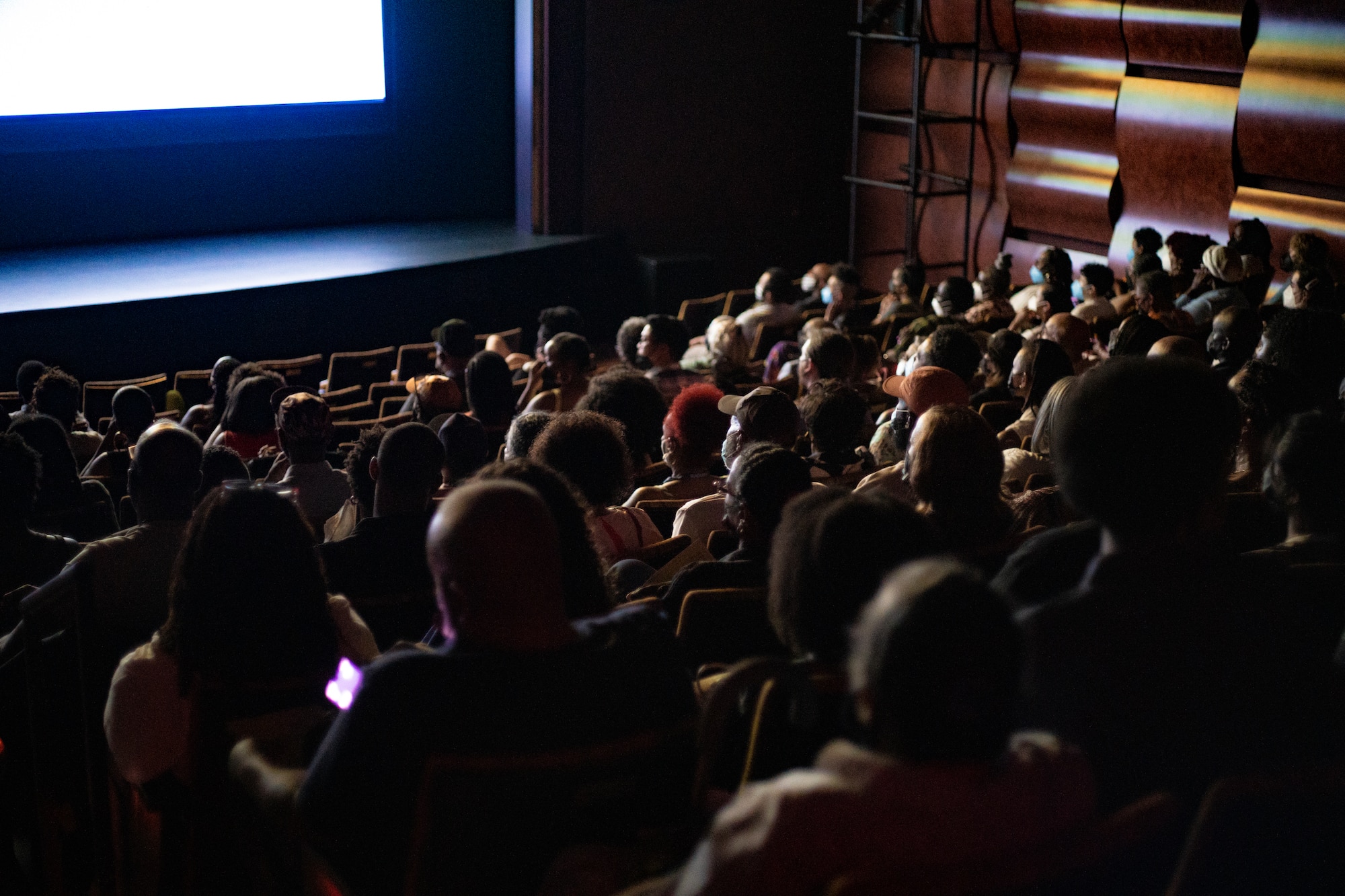
    The 2025 edition of the festival continued to break ground and push boundaries by spotlighting genre-defying films and hosting critically incisive conversations with an expansive community of filmmakers, artists, panelists and festival goers, all of whom met the moment with enthusiasm as this year’s festival welcomed thousands of attendees and record-breaking sales, including sold out screenings of Louis Massiah and Monica Henriquez’s TCB — The Toni Cade Bambara School of Organizing on opening night, Kahlil Joseph’s BLKNWS: Terms & Conditions on Friday and multiple other films throughout the weekend.

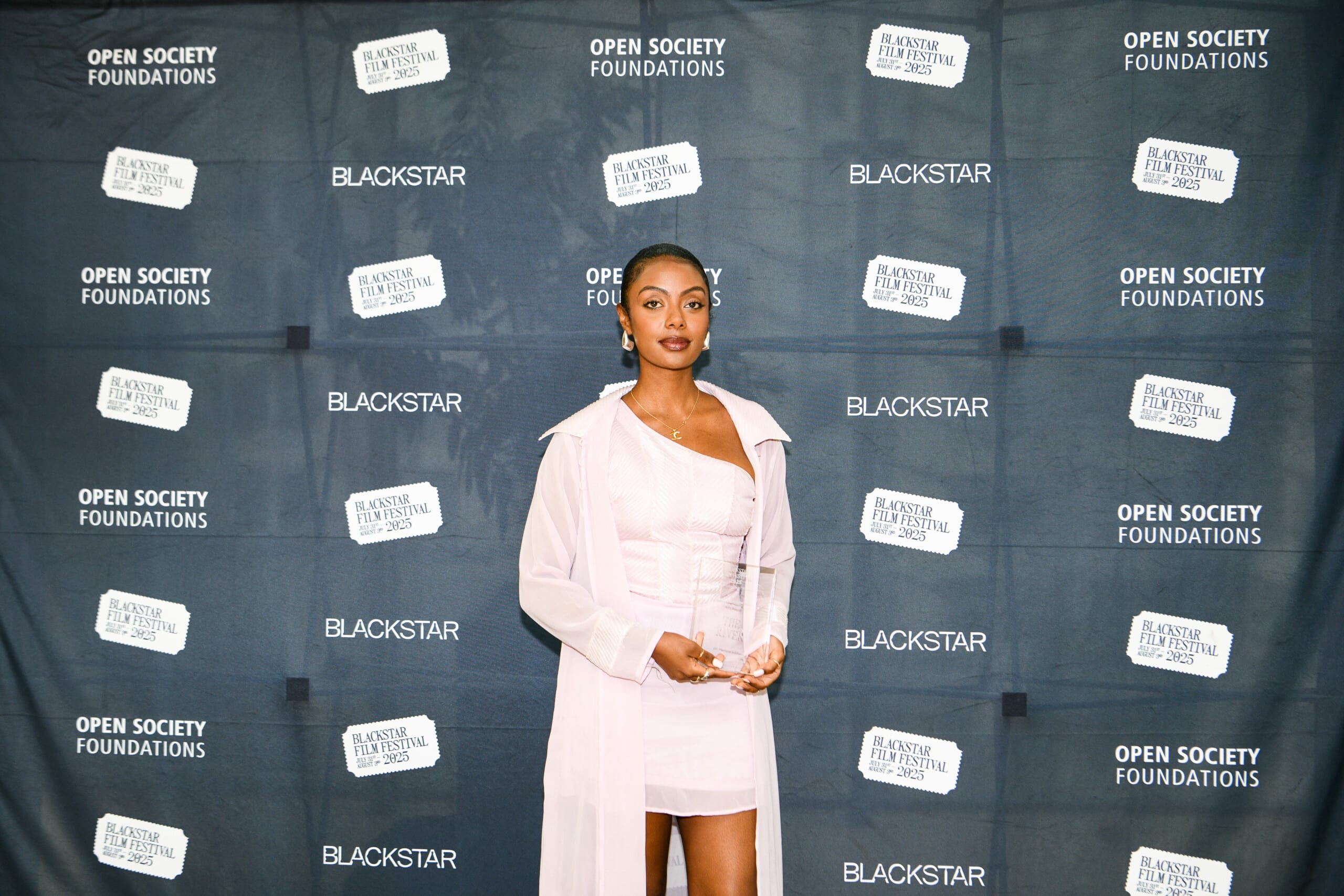
    From the 93 films screened, juried awards for Best Feature Documentary were given to Louis Massiah and Monica Henriquez’s film; for Best Feature Narrative to Sugar Island, directed by Johanne Gomez Terrero; for Best Experimental film to The River, directed by Herrana Addisu; for Best Short Documentary to Correct Me If I’m Wrong (如你所愿), directed by Hao Zhou and for Best Short Narrative to The Last Harvest, directed by Nuno Boaventura Miranda. The Philadelphia Filmmaker Award was given to Talking Walls, directed by Marcellus.

    In collaboration with Blackbird, BlackStar hosted the sixth annual BlackStar Pitch at the festival and announced the winner as Hysterical, a forthcoming project from filmmaker Kya Lou. Jamil McGinnis’ Wahnish Keeps Me Free was selected as the pitch runner-up. Lou will receive $75,000, mentorship from Multitude Films and other benefits, while McGinnis’ production will receive $25,000.

    Winners were announced at the annual Director’s Brunch and Awards Ceremony, celebrating all of the festival’s directors.

    BlackStar also invited its audience to select awards in Favorite Feature Narrative (Love, Brooklyn), Favorite Feature Documentary (TCB – The Toni Cade Bambara School of Organizing), Favorite Short Narrative (Food for the Soul), Favorite Short Documentary (Talking Walls) and Favorite Experimental (Untitled (How High the Moon)) categories. More information on the award winning films from all categories is below.

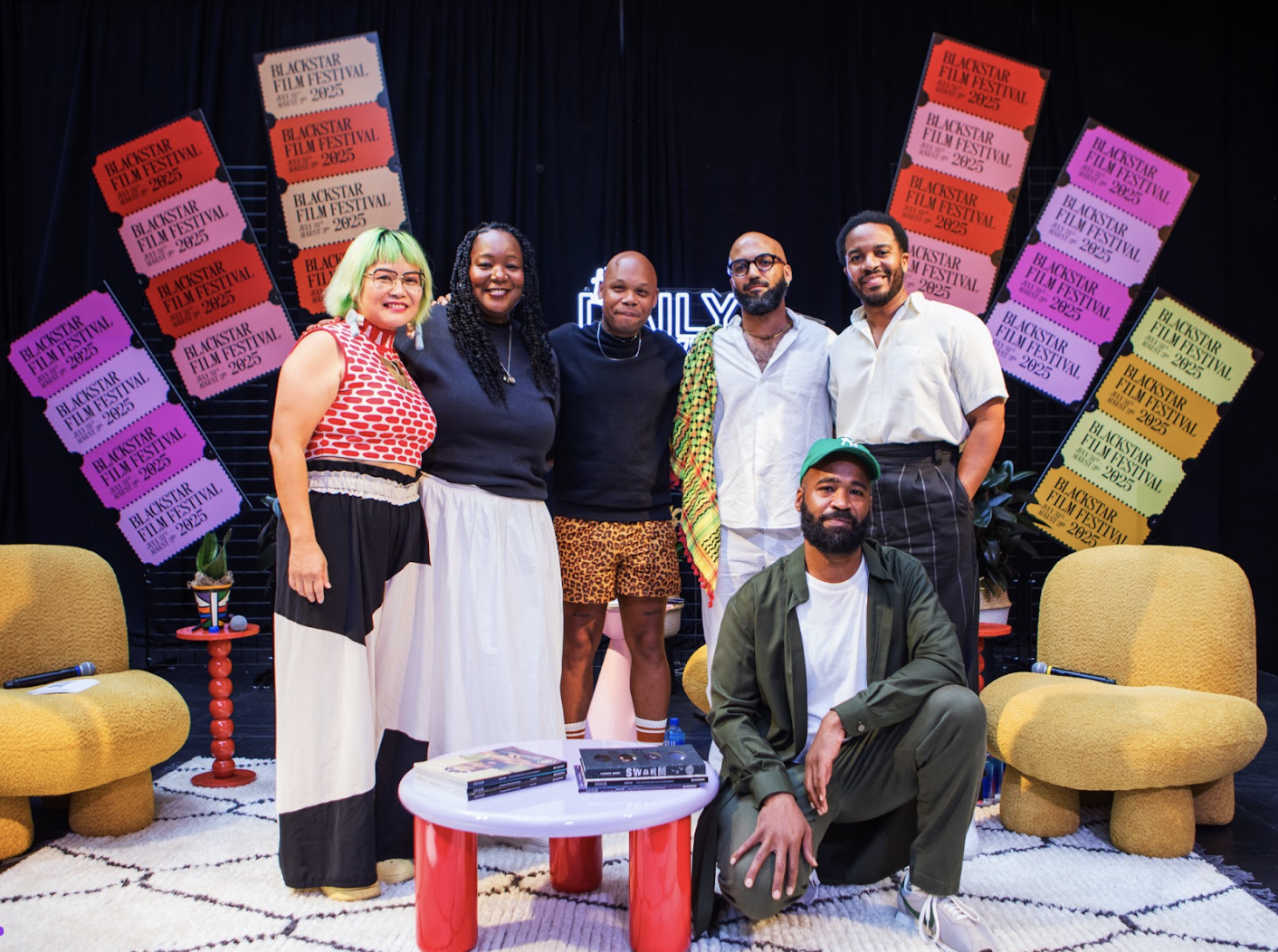
    The BlackStar panel series saw audiences overflow from The Daily Jawn Stage co-sponsored by NEON, with panelists and moderators engaging in lively conversation, inviting global perspectives and challenging dialogues on various topics, including a spotlight conversation with Killer of Sheep director Charles Burnett.

    Notable guests and speakers at this year’s festival included Letitia Wright, André Holland, Kahlil Joseph, Cauleen Smith, Elegance Bratton, Adam Piron, Kevin Jerome Everson, Rachael Abigail Holder, Stanley Nelson and Meg Onli.

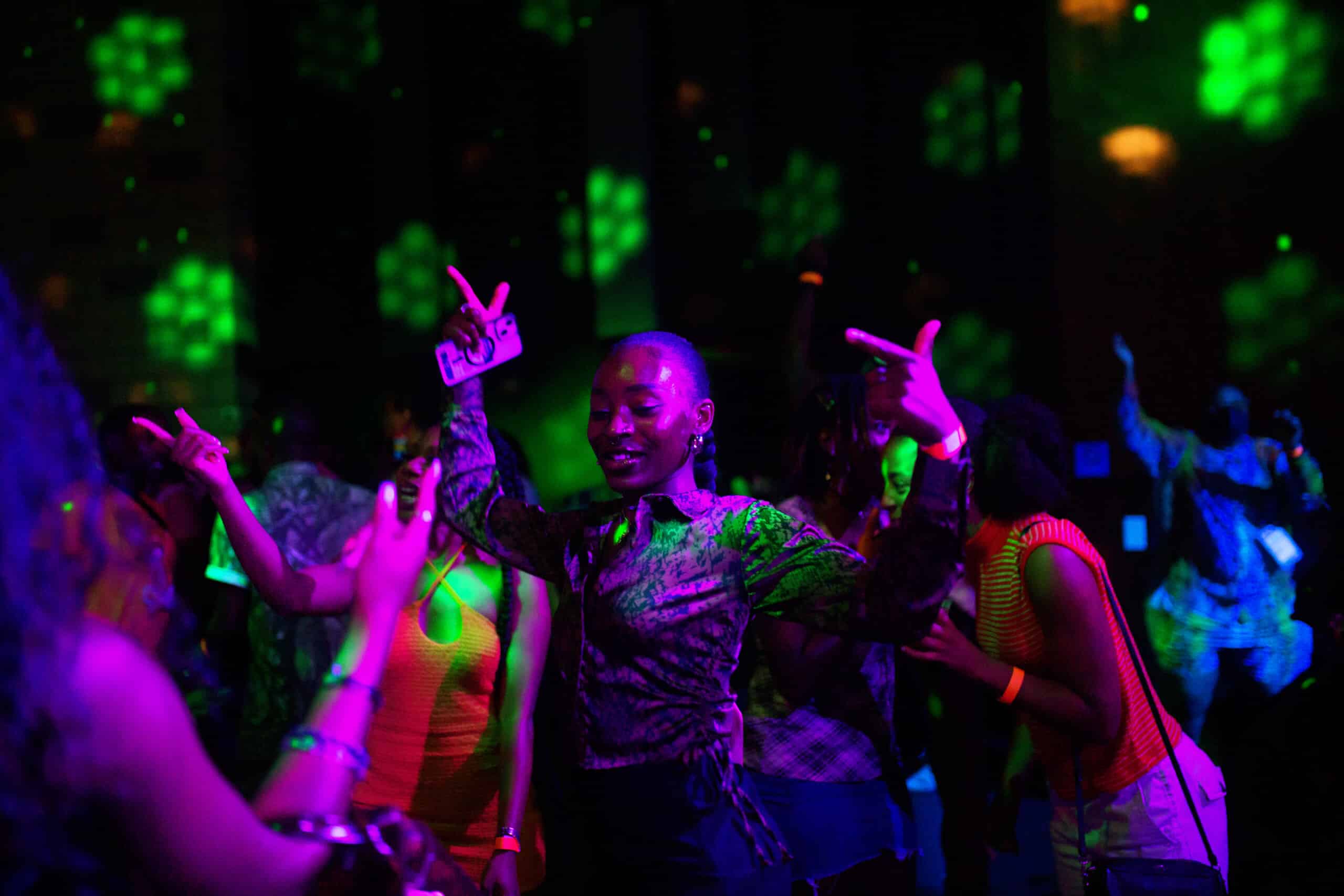
    Beyond film, the festival’s activation of the city provided wonderful opportunities for artists, filmmakers and film enthusiasts to engage at sold out parties and events throughout the weekend. BlackStar is committed to furthering this international communal experience as it looks ahead to next year’s film festival, which will take place from August 6-9, 2026.

    Select award winning films are available to stream now here.

    Jury Awards

    Best Feature Documentary

    TCB — The Toni Cade Bambara School of Organizing directed by Louis Massiah and Monica Henriquez

    Jury Note: This elegant, intergenerational film stretches the imagination not merely around what art can do, but what an artist can do. The film serves as a manual, it is the medicine that we need right now to uplift and inspire us. It is intimate and epic at the same time and a film that’s clear in its commitment to community.


    Short Narrative

    The Last Harvest directed by Nuno Boaventura Miranda

    Jury Note: Multi-sensorial, gorgeous, abstract and palpable, this film is loaded with subtle gestures and a clever use of repetition which renders it cinematically breathtaking. The visual choreo poem contains a surprising sonic personality, seamless weaving together of two narratives and beautifully executed acting.

    Honorable Mention: Oceania, directed by Valentin Noujaïm


    Experimental Film

    The River directed by Herrana Addisu

    Jury Note: In this wonderfully edited film, the filmmaker weaves together sound, image, acting, movement and story into a cohesive and deep transgenerational narrative. The use of beautiful cinematography, symmetry and the rhythm of music tells of the barriers faced by women with a subtle nod to classism.

    Honorable Mention: A Luta Continua // Ataraxy 44, directed by Curtis Essel


    Feature Narrative

    Sugar Island directed by Johanne Gomez Terrero

    Jury Note: This is an intentionally and carefully made film, characterized by a complex texture that the filmmaker maintains throughout their storytelling. The film felt visceral in its spiritual elements and it managed to bring its audience in without minimizing those practices. The jury applauds the visual-emotional environment conveyed in this beautifully shot film.


    Short Documentary

    Correct Me if I’m Wrong directed by Hao Zhou

    Jury Note: The jury awards a film that is replete with juxtapositions—spaciousness and claustrophobia, tolerance and intolerance, energy and calm. This film evokes a feeling of discomfort that is difficult to shake after the film is over. Yet in that discomfort, the filmmaker handles the subject with care and nuance, featuring strong characters, sound design and intimacy.


    Audience Awards

    Favorite Feature Narrative

    Love, Brooklyn directed by Rachael Abigail Holder


    Favorite Feature Documentary

    TCB — The Toni Cade Bambara School of Organizing directed by Louis Massiah and Monica Henriquez


    Favorite Short Narrative

    Food for the Soul directed by Chisom Chieke


    Favorite Short Documentary

    Talking Walls directed by Marcellus


    Favorite Experimental

    Untitled (How High the Moon) directed by Rashida Bumbray


    Special Awards

    BlackStar Pitch 

    WinnerHysterical directed by Kya Lou

    Runner-upWahnish Keeps Me Free directed by Jamil McGinnis, produced by Resita Cox

    Jurors: Jess Devaney, Founder & President, Multitude Films; Jihan Robinson, Producer; Noland Walker
    VP, Content, Independent Television Service (ITVS); Shanida Scotland, Head of Film (UK), Doc Society; Sharifa Johka, Co-Chair, IP Acquisitions, Twenty43 Ventures


    Philadelphia Filmmaker Award

    Talking Walls directed by Marcellus

    Jury Note: The Independence Public Media Foundation jury awards a film that honors the voice and strength of a queer black elder with a creative, beautiful, and unexpected approach.


    Shine Award 

    16 1/2 directed by Harlan Banks

    Chosen by BlackStar Members.

    This year’s festival was presented with major support from Open Society Foundations. Other sponsors include American Friends Service Committee, Andscape, Black Public Media, The Chamber of Commerce of Greater Philadelphia, Color Congress, Criterion, Critical Minded, Eventive, Firelight Media, Hyperallergic, Impact Partners, Independence Public Media Foundation, ITVS, Kashif, Monarch Yoga, NEON, PECO, Philadelphia Foundation, Philadelphia Museum of Art, Pillars Fund, Runway, SAGIndie, State Representative Rick Krajewski, StoryCorps, Ten to One Rum, Twenty43, University of Pennsylvania Department of Cinema & Media Studies, Visit Philadelphia, Xfinity, and WORLD Channel. 

    BlackStar Projects and its year-round programs are generously supported by Bloomberg Philanthropies, Critical Minded, Department of Community and Economic Development, Doris Duke Charitable Foundation, Ford Foundation, Independence Public Media Foundation, John D. and Catherine T. MacArthur Foundation, Mellon Foundation, Nathan Cummings Foundation, NEO Philanthropy, The Pew Center for Arts and Heritage, Pop Culture Collaborative, Ruth Foundation for the Arts, Surdna Foundation, Wallace Foundation, William Penn Foundation and Wyncote Foundation, in addition to its board of directors, community partners and a host of generous individual donors and organizations.

  • BlackStar Projects Releases Full Schedule of  Programs for 2025 Film Festival

    BlackStar Projects Releases Full Schedule of Programs for 2025 Film Festival

    BlackStar Projects, the premier organization celebrating visionary Black, Brown and Indigenous film and media artists, is thrilled to announce the full schedule of programs, jury and award nominees for the 2025 BlackStar Film Festival, taking place from July 31-August 3, 2025. Click here to browse the full schedule. All individual program tickets are now on sale here, with festival passes also available here.

    The festival is an annual celebration of independent cinema from the global majority and a one-of-a-kind gathering of diverse audiences centered on connection, discussion and learning, with nearly every screening followed by a Q&A. The world premiere of TCB – The Toni Cade Bambara School of Organizing, directed by Louis Massiah and Monica Henriquez, will be the festival’s opening night screening and THE GREAT NORTH, directed by Jenn Nkiru and making its North American premiere, will be the closing night screening. Other highlights include a special screening of Kahlil Joseph’s BLKNWS: Terms & Conditions and the 4K restoration of Charles Burnett’s Killer of Sheep, with both filmmakers expected in-person for Spotlight Conversations. 

    The Daily Jawn will return at this year’s festival as a live morning show. Co-sponsored by NEON and hosted by Maori Karmael Holmes, Rashid Zakat and Anne Ishii, the show presents conversations with featured filmmakers, festival programmers and other special guests. Additionally, panels featuring industry experts and thought leaders will be held throughout the festival, challenging attendees to consider new perspectives as they engage with the work. Notable guests and speakers at this year’s festival include Letitia Wright, Charles Burnett, Kahlil Joseph, Saidiya Hartman, Cauleen Smith, Elegance Bratton, Adam Piron, Kevin Jerome Everson, Rachael Abigail Holder, Stanley Nelson, JT Takagi and Meg Onli.

    “Each festival has been very special, but this year’s lineup feels especially epic,” said Chief Executive and Artistic Officer, Maori Karmael Holmes. “I’m looking forward to communing with filmmakers and audiences, sharing a collective laugh or cry. I think at this moment in time the restorative and liberatory power of cinema is essential.” 

    In addition to film and panels, there will be a variety of other festival programming in-person. Selections include the return of BlackStar Pitch, presented in partnership with Blackbird—a live competition open to public attendance, which will award $75,000 in production funds to a winning short documentary—along with First Friday at The Barnes Foundation, featuring an evening of art, live music, cocktails and light fare, co-presented by Hyperallergic. 

    BlackStar Projects’ Philadelphia Filmmaker Lab, a year-long fellowship program that awards $50,000 in production funds to four local filmmakers developing a short narrative film, will culminate at this year’s festival with the world premiere of the four short films.

    This year’s festival jury, listed in full below, will consider nominees for Best Experimental Film, Best Feature Documentary, Best Feature Narrative, Best Short Documentary and Best Short Narrative.

    BlackStar will also host a mix of parties and community events throughout the weekend including the opening night party at Cherry Street Pier; the annual BlackStar Bazaar, offering a curated shopping experience that celebrates community and Black-owned businesses and this year’s closing night party at STAR|Bolt, co-presented by Visit Philly.

    “This year’s entire program has been intentionally curated to meet the moment,” said Festival Director Nehad Khader. “We can’t wait to welcome our community to Philadelphia to celebrate cinema for liberation.” All access passes for the festival are available for purchase here and individual tickets for in-person and virtual screenings are available here. The full schedule of programs is below (all times EST):

    Major Spotlights:


    BlackStar Juried Awards Categories & Nominees:

    Best Feature Documentary

    Nominees:

    • [dot] 16 ½ directed by Harlan Banks
    • [dot] THE GREAT NORTH directed by Jenn Nkiru
    • [dot] TCB – The Toni Cade Bambara School of Organizing directed by Louis Massiah and Monica Henriquez

    Jurors: Asad Muhammad, Bao Nguyen, Tracy Rector

    Best Short Documentary

    Nominees:

    • [dot] 如你所愿 (Correct Me If I’m Wrong) directed by Hao Zhou
    • [dot] The Devil Is Busy directed by Christalyn Hampton and Geeta Gandbhir
    • [dot] Piñata Prayers directed by Daniel Larios
    • [dot] Tessitura directed by Lydia Cornett and Brit Fryer
    • [dot] Tiger directed by Loren Waters
    • [dot] We Were the Scenery directed by Christopher Radcliff

    Jurors: Nell Augustin, Sonya Childress, Zaina Bseis

    Best Feature Narrative

    Nominees:

    • [dot] Sabbatical directed by Karabo Lediga
    • [dot] Sugar Island directed by Johanne Gomez Terrero
    • [dot] White House (Kasa Branca) directed by Luciano Vidigal

    Jurors: Aseye Tamakloe, Jason Reynolds, Lindsay Monture

    Best Short Narrative

    Nominees:

    • [dot] Eternal Kinship directed by Arbin Rai
    • [dot] The Last Harvest directed by Nuno Boaventura Miranda
    • [dot] Leaving Ikorodu in 1999 directed by Rashida Seriki
    • [dot] LWC – Lazy White Cows directed by Asaph Luccas
    • [dot] Oceania directed by Valentin Noujaïm
    • [dot] Seek No Favor directed by Elle Clay and Leilah Weinraub

    Jurors: Dagmawi Woubshet, Fariha Róisín, Lynnée Denise

    Best Experimental Film

    Nominees:

    • [dot] A Luta Continua // Ataraxy 44 directed by Curtis Essel
    • [dot] Natimorto directed by Ibrahem Hasan and Leandro HBL
    • [dot] The River directed by Herrana Addisu
    • [dot] Untitled (How High the Moon) directed by Rashida Bumbray
    • [dot] The Volcano Manifesto directed by Cauleen Smith

    Jurors: Awa Konaté, Emily Jacir, Jason Moran

    Additional Awards

    • [dot] Philadelphia Filmmaker Award
    • [dot] Shine Award for First-Time Filmmakers (Voted by BlackStar Members)


    For more information on the festival and its programs, visit https://www.blackstarfest.org/festival.

    This year’s festival is presented with major support from Open Society Foundations. Other sponsors include American Friends Service Committee, Andscape, Black Public Media, The Chamber of Commerce of Greater Philadelphia, Color Congress, Eventive, Firelight Media, Hyperallergic, Impact Partners, Independence Public Media Foundation, ITVS, Kashif, Monarch Yoga, NEON, PECO, Philadelphia Foundation, Philadelphia Museum of Art, Pillars Fund, Runway, SAGIndie, State Representative Rick Krajewski, StoryCorps, Ten to One Rum, Twenty43, University of Pennsylvania Department of Cinema & Media Studies, Visit Philadelphia and WORLD Channel. 

    BlackStar Projects and its year-round programs are generously supported by Bloomberg Philanthropies, Critical Minded, Department of Community and Economic Development, Doris Duke Charitable Foundation, Ford Foundation, Independence Public Media Foundation, John D. and Catherine T. MacArthur Foundation, Mellon Foundation, Nathan Cummings Foundation, NEO Philanthropy, The Pew Center for Arts and Heritage, Pop Culture Collaborative, Ruth Foundation for the Arts, Surdna Foundation, Wallace Foundation, William Penn Foundation and Wyncote Foundation, in addition to its board of directors, community partners and a host of generous individual donors and organizations.

    About BlackStar Projects

    BlackStar Projects, founded in 2012 by Maori Karmael Holmes as BlackStar Film Festival, creates the spaces and resources needed to uplift the work of Black, Brown and Indigenous artists working outside the confines of genre. Beyond the annual film festival the organization produces year-round programs, including film screenings, exhibitions, a filmmaker seminar, a film production lab and a journal of film, art and visual culture. 

    These programs provide artists opportunities for viable strategies for collaborations with other artists, audiences, funders and distributors. BlackStar is working towards a liberatory world in which a vast spectrum of Black, Brown and Indigenous experiences is irresistibly celebrated in arts and culture.
  • BlackStar Film Festival Announces 2025 Film Lineup

    BlackStar Film Festival Announces 2025 Film Lineup

    BlackStar Projects, the premier organization celebrating visionary Black, Brown and Indigenous film and media artists, is thrilled to announce the selections for the 2025 BlackStar Film Festival.

    This year’s festival will take place from July 31-August 3, 2025, with in-person film screenings at the Kimmel Center for the Performing Arts, the Wilma Theater and the Suzanne Roberts Theatre. Parties and events will be held at various venues across Philadelphia to mark the 14th annual celebration of the visual and storytelling traditions of Black, Brown and Indigenous people from around the world.

    All access passes for the festival are available for purchase here; individual tickets for in-person and virtual screenings will go on sale in early July.

    The 2025 BlackStar Film Festival is set to feature a total of 92 films representing 35 countries, including 20 World, 13 North American, 4 United States, 7 East Coast and 46 Philadelphia premieres. This year’s films explore an expansive range of ideas and issues from independent filmmakers of the global majority, including the use of music as a tool of resistance, pathways to thriving amidst political repression and environmental crisis and stories that show the importance of long-term, sustainable community building.

    Highlights from this year’s robust lineup include the world premiere of Louis Massiah and Monica Henriquez’s TCB – The Toni Cade Bambara School of Organizing, the North American premiere of Jenn Nkiru’s The Great North, a special screening of Kahlil Joseph’s BLKNWS: Terms & Conditions and the North America premiere of Letitia Wright’s Highway to the Moon.

    “We have a collection of films in this year’s program that embody BlackStar’s vision of cinema as a tool for liberation,” said Festival Director, Nehad Khader. “Amidst troubling times, these filmmakers remind us of what is possible.”

    In addition to film, there will be a slate of festival programming in-person. Selections include the return of BlackStar Pitch—a live competition open to public attendance, which will award $75,000 in production funds to a winning short documentary—presented in partnership with Blackbird, daily panels and conversations with filmmakers and industry leaders, along with a Friday night concert and celebration at The Barnes Foundation.

    “In our fourteenth year we continue to view the festival as an urgent gathering for filmmakers and cinephiles of color,” said BlackStar Founder, Chief Executive & Artistic Officer, Maori Karmael Holmes. “The need in this moment is not only for visionary cinema, but to be in space together around the work—to experience pleasure, rejuvenation and radical care in ways that push us towards action.”

    BlackStar Film Festival has grown in attendance year over year, with more than 17,000 attendees participating in 2024. Beyond the festival, BlackStar Projects continues to expand its reach with initiatives like the Philadelphia Filmmaker Lab, a year long fellowship program that awards $50,000 in production funds to four local filmmakers developing a short narrative film. The program will culminate at this year’s festival with the world premiere of the four short films that were developed in BlackStar’s lab over the last year.

    Among BlackStar Projects’ other programs are Seen, a journal of film, art and visual culture, that recently published its eighth issue and the William and Louise Greaves Filmmaker Seminar, held in March with Stanford University’s Institute for Diversity in the Arts. The organization also recently celebrated the addition of André Robert Lee, President & Founder, Many Things Productions, to its board of directors.

    The full lineup of films is below:

    16 ½, directed by Harlan Banks

    A LUTA CONTINUA // ATARAXY 44, directed by Curtis Essel

    A New Voice, directed by Mike Davis and Debbie Davis

    Adamstown, directed by Andrew Bilindabagabo

    All That’s Left of You, directed by Cherien Dabis

    all the love i could handle , directed by Ruby Rose Collins

    Another Other, directed by Bex Oluwatoyin Thompson

    Axel, directed by Stefani Saintonge

    Binnigula’sa’ (Ancient Zapotec People), directed by Jorge Ángel Pérez

    Black Glass, directed by Adam Piron

    BLKNWS: Terms & Conditions, directed by Kahlil Joseph

    Bloodlines, Mississippi, directed by Crystal Kayiza

    Boil That Cabbage Down, directed by Candace Williamson

    Brick by Brick, directed by Victória Álvares and Quentin Delaroche

    Bubbling Baby, directed by Sharine Rijsenburg

    Budget Paradise , directed by LaTajh Simmons-Weaver

    Bukra (بُكرا), directed by Alex Aljouni

    Cais, directed by Safira Moreira

    Carissa, directed by Jason Jacobs and Devon Delmar

    Celestine (Florida Storm), directed by Allison Janae Hamilton

    Children of the Waves (Enfants des Courants d’Eaux), directed by Kezia Sakho

    Compensation, directed by Zeinabu irene Davis

    Correct Me If I’m Wrong (Ru ni suo yuan), directed by Hao Zhou

    Dear Sikhonkwane, directed by Sihle Hlophe

    Della Can Fly!, directed by Jasmine Lynea

    Don’t Cry, Butterfly (Mưa trên cánh bướm), directed by Dương Diệu Linh

    Dooni, directed by Kevin Jerome Everson and Claudrena N. Harold

    Eternal Kinship (अनन्त नाता), directed by Arbin Rai

    Exodus, directed by Nimco Sheikhaden

    Food for the Soul, directed by Chisom Chieke

    Gazan Tales (غزة التي تطل على البحر), directed by Mahmoud Nabil Ahmed

    Hanami, directed by Denise Fernandes

    Hatchlings, directed by Jahmil Eady

    Highway to the Moon, directed by Letitia Wright

    Hosts for Half a Century (Anfitriões há meio século), directed by Typju Mỹky and André Tupxi Lopes

    Images de Tunisie (صور من تونس), directed by Younès Ben Slimane

    Kanenon:we – Original Seeds, directed by Katsitsionni Fox

    L’Arbre de l’Authenticité, directed by Sammy Baloji

    Lana, directed by Laetitia Angba and Julie R. Lissouba

    Las Cosas Que Brillan, directed by Kristal Sotomayor

    Last Hoorah at G-Baby’s , directed by DeeDee Casimir

    Leaving Ikorodu In 1999, directed by Rashida Seriki

    Lees Waxul, directed by Yoro Mbaye

    Listen to Me, directed by Stephanie Etienne and Kanika Harris

    Listen to the Voices (Kouté vwa), directed by Maxime Jean-Baptiste

    Love, Brooklyn, directed by Rachael Abigail Holder

    LWC (Lazy White Cows) (VBP (Vacas Brancas Preguiçosas)), directed by Asaph Luccas

    Maqluba, directed by Mike Elsherif

    Move Ya Body: The Birth of House, directed by Elegance Bratton

    Natimorto, directed by Ibrahem Hasan and Leandro HBL

    Next Life, directed by Tenzin Phuntsog

    Nobody’s Word, directed by Camara Taylor

    OCEANIA, directed by Valentin Noujaïm

    One Day This Kid, directed by Alexander Farah

    Oríkì Oshun, directed by Elena Guzman

    Otherworld, directed by Lokotah Sanborn

    Piñata Prayers, directed by Daniel Larios

    Possible Landscapes, directed by Kannan Arunasalam

    Ree’s Destiny, directed by Steven Mosley

    Remaining Native, directed by Paige Bethmann

    RUN, SISTER JOAN, directed by Wale Oyejide

    Sabbatical, directed by Karabo Lediga

    Seeds, directed by Brittany Shyne

    Seek No Favor, directed by Elle Clay and Leilah Weinraub

    Space to Breathe, directed by Juicebox P. Burton

    Spaces As Traces, directed by Teo Shi Yun

    Speaking in Tongues: Take One, directed by Christopher Harris

    Sugar Island, directed by Johanne Gomez Terrero

    Sun Ra: Do the Impossible, directed by Christine Turner

    Talking Walls, directed by Marcellus

    TCB – The Toni Cade Bambara School of Organizing, directed by Louis Massiah and Monica Henriquez

    Teaching America, directed by Anurima Bhargava

    Tessitura, directed by Lydia Cornett and Brit Fryer

    The Debutantes, directed by Contessa Gayles

    The Devil Is Busy, directed by Christalyn Hampton and Geeta Gandbhir

    The Flowers Stand Silently, Witnessing, directed by Theo Panagopoulos

    The Great North, directed by Jenn Nkiru

    The Last Harvest, directed by Nuno Boaventura Miranda

    The River, directed by Herrana Addisu

    The Shadow Scholars, directed by Eloise King

    The Sixth Borough, directed by Jason Pollard

    The Volcano Manifesto, directed by Cauleen Smith

    Third Act, directed by Tadashi Nakamura

    Tiger, directed by Loren Waters

    Twenty Three, directed by Wasima Farah and Kamyar Mohsenin

    Two Niles, directed by Rodrigo de Janeiro and Samuel Lobo

    Untitled (How High the Moon), directed by Rashida Bumbray

    Viet and Nam, directed by Minh Quy Truong

    We Want The Funk!, directed by Stanley Nelson and Nicole London

    We Were the Scenery, directed by Christopher Radcliff

    White House (Kasa Branca), directed by Luciano Vidigal

    Why the Sun & Moon Live in the Sky, directed by Aisha Bolaji


    Information on juries, additional programming and events will be announced soon. For more information on the festival and its programs, visit https://www.blackstarfest.org/festival.

    This year’s festival is presented with major support from Open Society Foundations. Other sponsors include American Friends Service Committee, Andscape, Black Public Media, Blueprint Commercial, The Chamber of Commerce of Greater Philadelphia, Color Congress, Eventive, Firelight Media, Hyperallergic, International Documentary Association, Impact Partners, ITVS, Kashif, Monarch Yoga, NEON, Philadelphia Foundation, Philadelphia Museum of Art, Points North Institute, Runway, University of Pennsylvania Department of Cinema & Media Studies and WORLD Channel. 

    BlackStar Projects and its year-round programs are generously supported by Bloomberg Philanthropies, Critical Minded, Department of Community and Economic Development, Doris Duke Charitable Foundation, Ford Foundation, Independence Public Media Foundation, John D. and Catherine T. MacArthur Foundation, Mellon Foundation, Nathan Cummings Foundation, NEO Philanthropy, The Pew Center for Arts and Heritage, Pop Culture Collaborative, Ruth Foundation for the Arts, Surdna Foundation, Wallace Foundation, William Penn Foundation and Wyncote Foundation, in addition to its board of directors, community partners and a host of generous individual donors and organizations.


    About BlackStar Projects
    BlackStar Projects, founded in 2012 by Maori Karmael Holmes as BlackStar Film Festival, creates the spaces and resources needed to uplift the work of Black, Brown and Indigenous artists working outside the confines of genre. Beyond the annual film festival the organization produces year-round programs, including film screenings, exhibitions, a filmmaker seminar, a film production lab and a journal of film, art and visual culture. 

    These programs provide artists opportunities for viable strategies for collaborations with other artists, audiences, funders and distributors. BlackStar is working towards a liberatory world in which a vast spectrum of Black, Brown and Indigenous experiences is irresistibly celebrated in arts and culture.
  • BlackStar Projects Presents Joiri Minaya: Venus Flytrap

    BlackStar Projects Presents Joiri Minaya: Venus Flytrap

    BlackStar Projects is pleased to present Venus Flytrap, a site-specific, four-day performance series and summer-long installation by Joiri Minaya that will take place at Bartram’s Garden in Philadelphia. Curated by writer and editor Dessane Lopez Cassell, the commissioned works will reflect on the intertwined legacies of freedom, extraction and ecology in North America’s oldest surviving botanical garden.

    Much like the Venus flytrap, Joiri Minaya’s practice often employs beauty—utilizing sensuality, lush florals and hues—to invite deeper reflection on thornier aspects of history and the ongoing impacts of colonialism. Central to the performance series in Venus Flytrap will be new iterations of Minaya’s bodysuits, which she has previously deployed to critique the colonial-era conflation of the Caribbean with the image of a sanitized, idyllic paradise, associations which remain stubbornly pervasive today. More specifically, Minaya uses the bodysuits to examine the performative role that women and their bodies have been made to play in the creation of a commercially palatable set of images that stand in for the complexity of the Caribbean as a whole.

    Designed with appropriated fabrics that she sources from the ‘tropical’ sections of both online and brick-and-mortar stores, Minaya repurposes these existing prints to effectively critique their production in the first place as images which reflect a commodified aesthetic of the Caribbean. Past suits have been tailored to contort the body into a single, fixed pose—typically one sourced from imagery found in postcards or tourism advertisements and which position the female body as a site of fantasy and consumption—so that the performer is understood to be physically constrained by the stereotypical images of tropical paradise. In Venus Flytrap, the new bodysuits will differ from these earlier examples not only by allowing the wearer freedom of movement, so that rather than emphasize restriction they will instead facilitate motion, fluidity and change, but also with the patterns Minaya is designing for them. Rather than reflect the stereotypical imagery of ‘paradise’ or ‘the tropics,’ Minaya has referenced botanical illustrations to create specific yet abstract renderings of various plant species that have been historically and culturally significant to Indigenous peoples and those of African descent throughout the Americas.

    Each performance will take place at Bartram’s Garden, where Minaya will transform designated areas into an installation of newly designed textiles and canopies developed in collaboration with The Fabric Workshop and Museum, Philadelphia. An array of chairs and artist-designed blankets and bandanas will be produced in partnership with ITA Leisure Goods and populated throughout the installation to encourage visitors to rest and reflect on Minaya’s interventions.

    To develop the choreography for the performances Minaya will collaborate with Philadelphia-based artist and choreographer Jonathan González and enlist an ensemble of Philadelphia-based performers. Though the performances will all depart from the same choreography, Minaya will invite the specificity and novelty that accompanies a new day and with it a new audience, so that each performance stands as a unique experience. 

    Established in 1728, Bartram’s Garden is the oldest surviving botanical garden in North America and as such it encapsulates the complexities of Philadelphia’s history and our relationships with land more broadly. From its earliest uses as a hub for Indigenous trade, to the role of founder John Bartram in popularizing Eurocentric notions of ‘modern botany’—including his family’s role in promoting the Venus flytrap as their own discovery, effectively erasing its pre-colonial history—Bartram’s Garden can be understood as a microcosm for the ongoing colonial experiment. 

    With Venus Flytrap, Minaya extends her longrunning interest in critically exploring both the histories and possibilities of local and Indigenous plant life. Together, Minaya and Cassell will reveal the hidden stories of labor and anti-colonial resistance buried in the grounds of Bartram’s Garden and the historic Kingsessing neighborhood in which it resides, while tracing their echoes across the Americas. 

    “BlackStar is proud to present this visionary new work from Joiri Minaya, which not only illuminates the roots of colonialism in new ways but invites us, amidst ongoing uncertainty, to reflect on and imagine other possibilities for our communities,” said Chief Executive and Artistic Officer, Maori Karmael Holmes.

    Additional programming will be announced in the coming weeks.

    Major support for Venus Flytrap has been provided by The Pew Center for Arts & Heritage, with additional support from the William Penn Foundation.


    About Joiri Minaya

    Joiri Minaya is a New York-based interdisciplinary artist who works in photography, digital media, film, performance, sculpture, textiles and painting. Born in New York and raised in the Dominican Republic, Minaya describes her multiculturally-informed work as ‘a reassertion of Self, an exercise of unlearning, decolonizing, and exorcizing imposed histories.’ Minaya has recently been part of exhibitions and screenings at the Guggenheim Museum and the Museum of Modern Art, New York, as well as international exhibitions like the Prospect 6 New Orleans Triennial, the Cooper Hewitt Triennial and the Sharjah Biennial 15. She is a recent recipient of the Latinx Artist Fellowship, NYSCA / NYFA Artist Fellowship, Jerome Hill Fellowship, Artadia award and has been an artist in residence at the International Studio & Curatorial Program, Light Work, Socrates Sculpture Park and the Skowhegan School of Painting and Sculpture.


    About Dessane Lopez Cassell

    Dessane Lopez Cassell is a New York-based editor, writer and curator. Her work spans film and visual art and their intersections, with a particular interest in race and gender. Cassell’s writing has been published in various magazines, journals, and books, including The Los Angeles Times, The Criterion Collection, Hyperallergic and Film Comment. She has curated exhibitions and screenings at the Brooklyn Academy of Music, The Museum of Modern Art, Metrograph/Abrons Arts Center, The Studio Museum in Harlem and Anthology Film Archives. Cassell is a former programmer for BlackStar Film Festival and former Editor-in-Chief of BlackStar’s journal, Seen.


    About BlackStar Projects
    BlackStar Projects, founded in 2012 by Maori Karmael Holmes as BlackStar Film Festival, creates the spaces and resources needed to uplift the work of Black, Brown and Indigenous artists working outside the confines of genre. Beyond the annual film festival the organization produces year-round programs, including film screenings, exhibitions, a filmmaker seminar, a film production lab and a journal of film, art and visual culture. 

    These programs provide artists opportunities for viable strategies for collaborations with other artists, audiences, funders and distributors. BlackStar is working towards a liberatory world in which a vast spectrum of Black, Brown and Indigenous experiences is irresistibly celebrated in arts and culture.